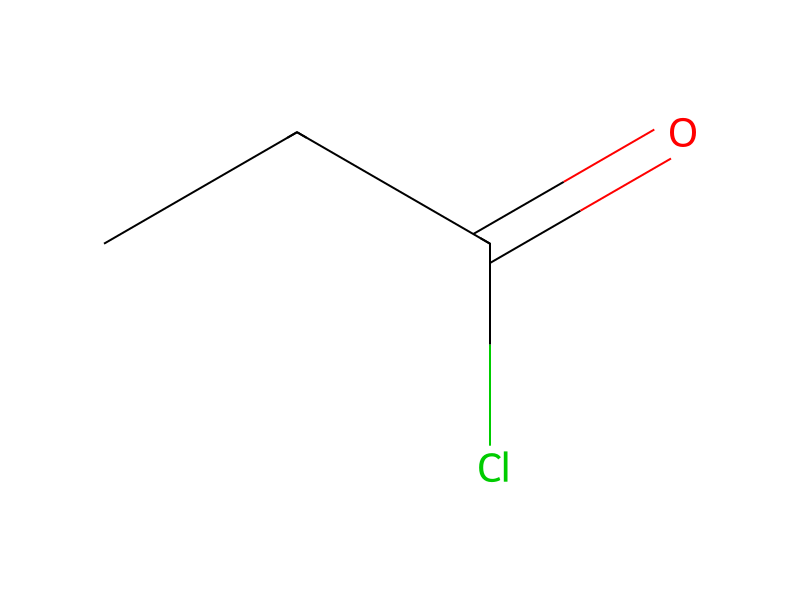
[CH2:1]([O:8][C:9]([N:11]1[CH2:16][CH2:15][C@@H:14]([NH:17][C:18]2[CH:23]=[CH:22][CH:21]=[CH:20][CH:19]=2)[C@H:13]([CH3:24])[CH2:12]1)=[O:10])[C:2]1[CH:7]=[CH:6][CH:5]=[CH:4][CH:3]=1.C(#N)C.[C:28](Cl)(=[O:31])[CH2:29][CH3:30]>CN(C)C1C=CN=CC=1.C(=O)([O-])[O-].[Na+].[Na+]>[CH2:1]([O:8][C:9]([N:11]1[CH2:16][CH2:15][C@@H:14]([N:17]([C:28](=[O:31])[CH2:29][CH3:30])[C:18]2[CH:23]=[CH:22][CH:21]=[CH:20][CH:19]=2)[C@H:13]([CH3:24])[CH2:12]1)=[O:10])[C:2]1[CH:3]=[CH:4][CH:5]=[CH:6][CH:7]=1To a solution of trans-N-benzyloxycarbonyl-3-methyl-4-phenylaminopiperidine (1.5 g, 4.6 mmol), 4-dimethylaminopyridine (375 mg, 3.1 mmol), and acetonitrile (10 ml) is added propionyl chloride (3.6 ml, 41 mmol). The solution is stirred and refluxed for 30 minutes, cooled to room temperature, and diluted with a saturated solution of sodium carbonate (30 ml). The resultant mixture is extracted with ethyl acetate (2×30 ml) and the organic phases combined, dried over magnesium sulfate, and concentrated to an oily residue which is chromatographed on silica gel (1/1 EtOAc/Hex) to give trans-N-benzyloxycarbonyl-3-methyl-4-[(1-oxopropyl)-phenylamino]piperidine as an oil: 1.6 g, 91%.
Loading…