Reaction equation

O=C=[N:3][CH:4]1[CH2:13][C:12](C)(C)[CH2:11][C:6](C)(CN=C=O)[CH2:5]1.C1(O)C=CC=CC=1.N1C=CN=C1.CCO[CH2:32][CH2:33][O:34][C:35](C)=[O:36].C(N(CCO)CCO)CCC.C(C1OC1)Cl.C(OS(OCC)(=O)=O)C>C(O)C>[C:4]1([NH:3][C:35]([O:34][CH2:33][CH3:32])=[O:36])[CH:13]=[CH:12][CH:11]=[CH:6][CH:5]=1Participants






Procedure
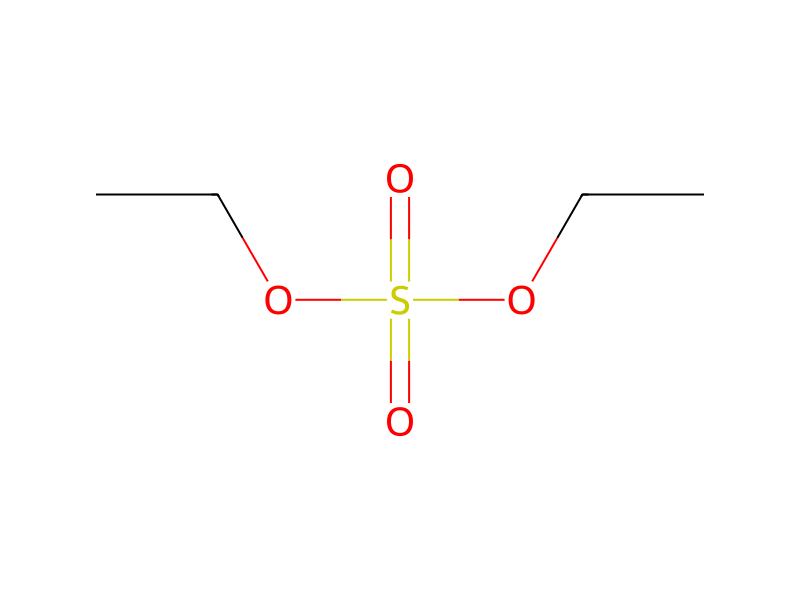
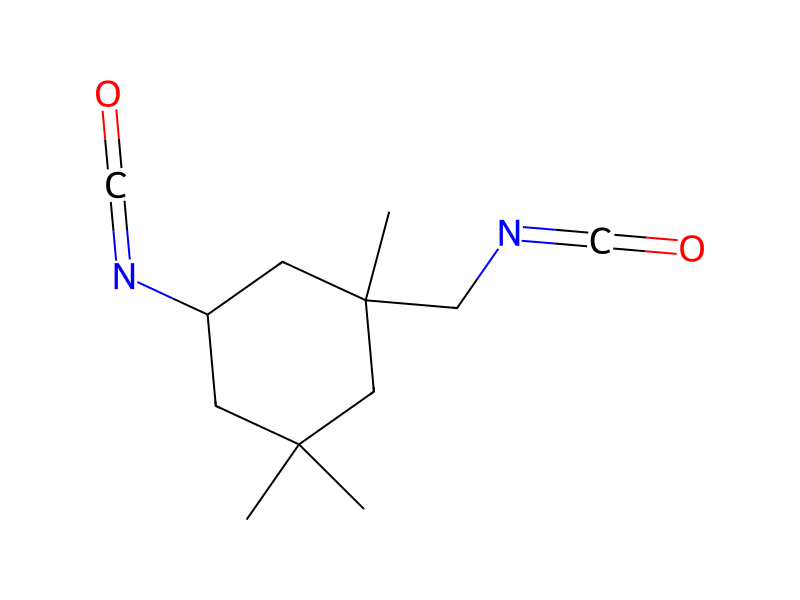
1.0 mol of isophorone diisocyanate is dissolved in 2.2 mol of phenol at 95°-100° C. after the addition of 0.5 imidazole. The mixture is kept as a liquid by the addition of 200 ml of ethylglycol acetate. 0.9 mol of butyldiethanolamine are added after a reaction time of four hours and the mixture is then distilled at a reaction temperature of 120° C. to remove everything which distils off at a vacuum of 5 torr. The residue is then dissolved in 200 ml of ethylglycol acetate and 400 ml of ethanol and quaternised at 60°-70° C., first with 0.5 mol of epichlorohydrin for three hours and then with 0.5 mol of diethylsulphate. The readily soluble cationic polyurethane with phenylurethane end groups obtained in this way is made up to a volume of 2000 ml with methanol and then stored at temperatures below 10° C.
Workup
- distillationthe mixture is then distilled at a reaction temperature of 120° C.
- customto remove everything which
- customdistils off at a vacuum of 5 torr
- dissolutionThe residue is then dissolved in 200 ml of ethylglycol acetate
Sources & evidence
- ORD record
- ord-181fb0fcddd64774a06e241f1449d47a
- Source dataset
- uspto-grants-1980_01
- Patent number
- US04186014
Linked notes
Loading…