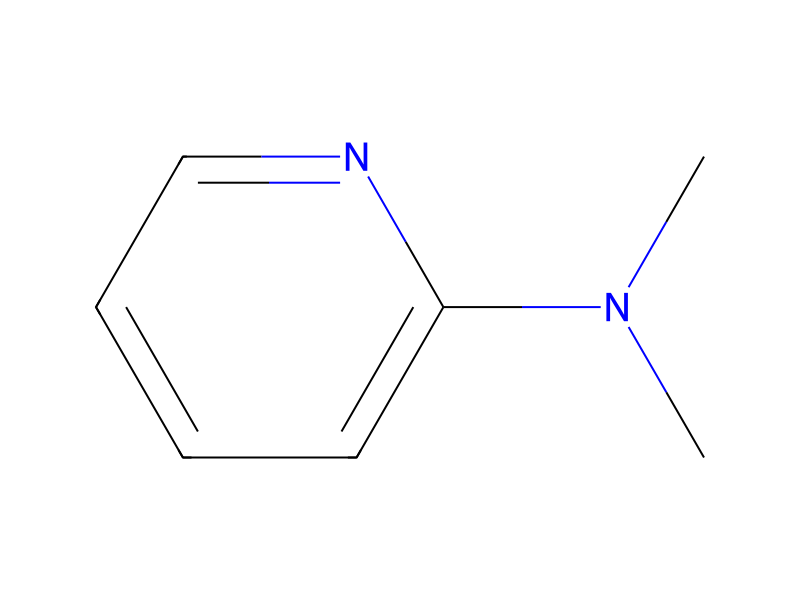
To a stirred solution of 4-methyl-2-aminobenzonitrile (100 g, 0.75 mol) in 800 mL CH2Cl2 was added triethylamine (77.4 g, 0.76 mol) and dimethylaminopyridine (4.62 g, 0.037 mol). The solution was cooled to 0-5° C., and o-anisoyl chloride (129 g, 0.75 mol) was added over 1 h while maintaining the reaction temperature at 0-5° C. The reaction was then stirred at 30-40° C. for 3 h. Water (400 mL) was added, and the mixture was stirred for 15 minutes. The organic layer was separated, and the aqueous solution was extracted with CH2Cl2 (600 mL). The combined organic layers were dried over sodium sulfate, filtered, and concentrated in vacuo to yield a solid residue, to which 800 mL hexane were added. The slurry was stirred and filtered to give N-(2-cyano-5-methyl-phenyl)-2-methoxy-benzamide as a yellow powder (180 g, 90%). mp 147-149° C. 1H NMR (CDCl3) δ 2.429 (s, 3H), 4.2 (s, 3H), 6.8-7.2 (m, 3H), 7.4-7.6 (m, 2H), 8.2-8.4 (d, 1H), 8.6 (s, 1H), 10.8 (bs, 1H); M/z (obs., [m+H]+)=268.