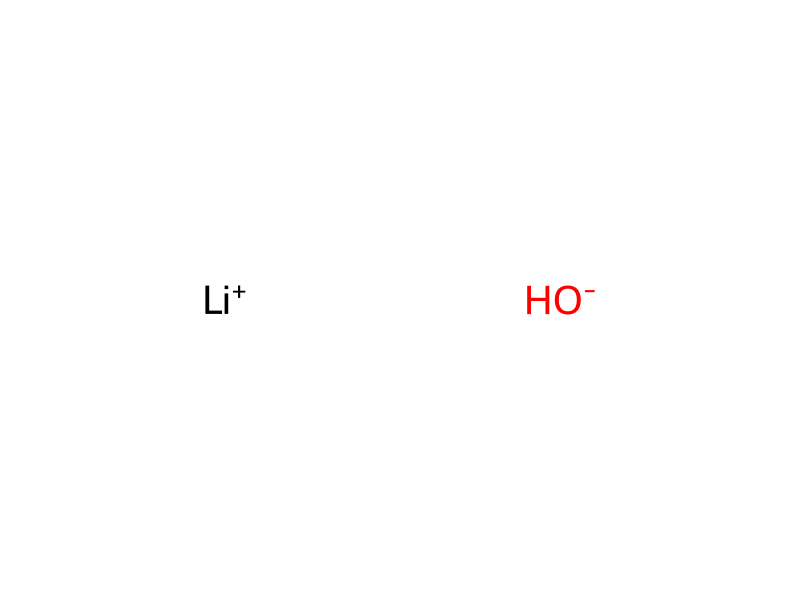
Lithium Hydroxide → 3-chloro-6'-(6-morpholin-4-yl-1H-benzoimidazol-2-yl)-[2,3]bipyridinyl-5-carboxylic acid
HRID 2089124
Reaction equation

[OH-].[Li+].C[O:4][C:5]([C:7]1[CH:8]=[C:9]([Cl:34])[C:10]([C:13]2[CH:14]=[N:15][C:16]([C:19]3[NH:23][C:22]4[CH:24]=[C:25]([N:28]5[CH2:33][CH2:32][O:31][CH2:30][CH2:29]5)[CH:26]=[CH:27][C:21]=4[N:20]=3)=[CH:17][CH:18]=2)=[N:11][CH:12]=1)=[O:6]>>[Cl:34][C:9]1[C:10]([C:13]2[CH:14]=[N:15][C:16]([C:19]3[NH:23][C:22]4[CH:24]=[C:25]([N:28]5[CH2:29][CH2:30][O:31][CH2:32][CH2:33]5)[CH:26]=[CH:27][C:21]=4[N:20]=3)=[CH:17][CH:18]=2)=[N:11][CH:12]=[C:7]([C:5]([OH:6])=[O:4])[CH:8]=1Participants
3


Procedure
4 mL of 2 M lithium hydroxide solution (methanol/water=3/1) was added to 0.55 g of 3-chloro-6′-(6-morpholin-4-yl-1H-benzoimidazol-2-yl)-[2,3′]bipyridinyl-5-carboxylic acid methyl ester (71) (1.22 mmol) prepared in Example 58, and stirred at room temperature for 6 hours. The mixture was concentrated under reduced pressure, dissolved in ethyl acetate, and washed with water. The organic layer was dried over magnesium sulfate, and concentrated under reduced pressure. The residue was separated by column chromatography (eluting solvent: chloroform/methanol=5/1) to obtain 0.49 g of yellow crystal, 3-chloro-6′-(6-morpholin-4-yl-1H-benzoimidazol-2-yl)-[2,3′]bipyridinyl-5-carboxylic acid (yield 92%).