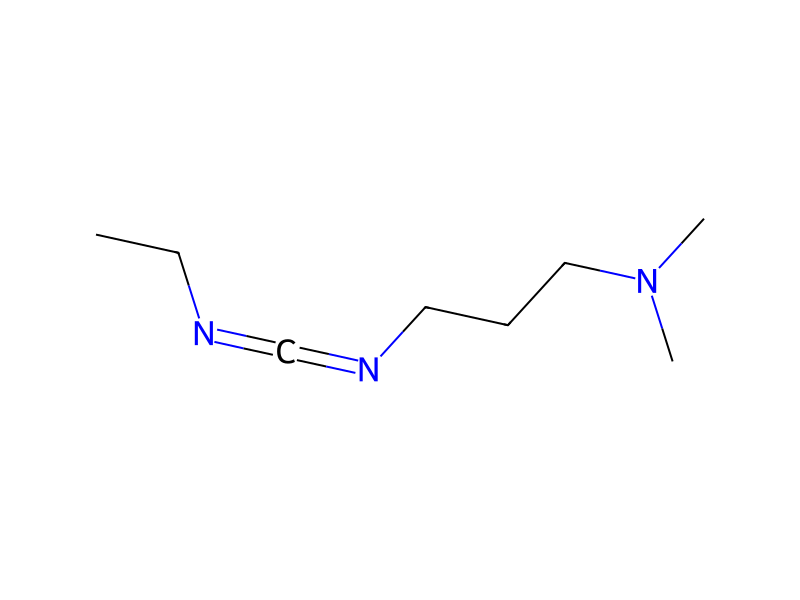
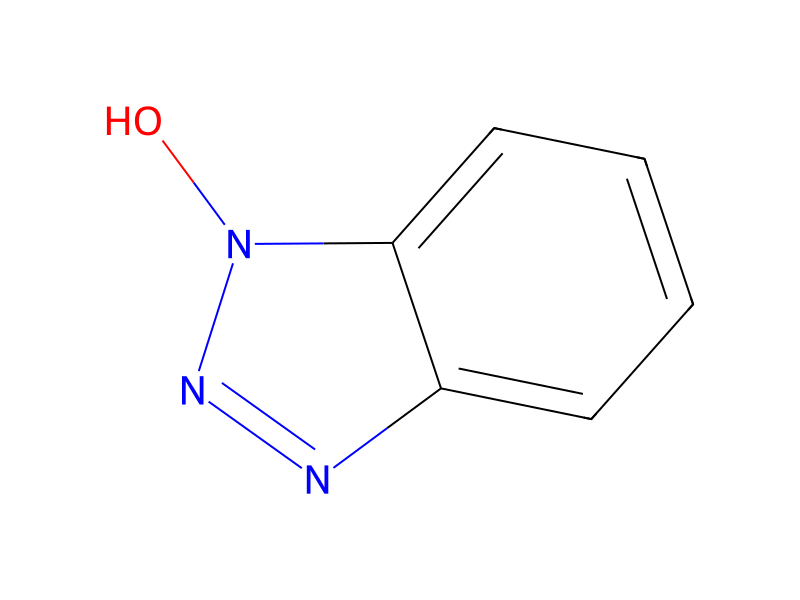
[C:1]([C:3]1[C:4]([C:17]2[CH:22]=[CH:21][C:20]([Cl:23])=[CH:19][C:18]=2[Cl:24])=[C:5]([C:14](O)=[O:15])[S:6][C:7]=1[N:8]1[CH2:13][CH2:12][O:11][CH2:10][CH2:9]1)#[N:2].C1C=CC2N(O)N=[N:31]C=2C=1.CCN=C=NCCCN(C)C.N>C(Cl)Cl>[C:1]([C:3]1[C:4]([C:17]2[CH:22]=[CH:21][C:20]([Cl:23])=[CH:19][C:18]=2[Cl:24])=[C:5]([C:14]([NH2:31])=[O:15])[S:6][C:7]=1[N:8]1[CH2:13][CH2:12][O:11][CH2:10][CH2:9]1)#[N:2]4-Cyano-3-(2,4-dichlorophenyl)-5-morpholin-4-ylthiophene-2-carboxylic acid (0.050 g, 0.13 mmol), HOBT (0.037 g, 0.274 mmol) and EDCI (50 mg, 0.261 mmol) were suspended in DCM (6.5 mL). After 30 min the reagents dissolved. To the resulting solution was added concentrated aqueous ammonia (0.26 mL, 6.5 mmol) and the solution was allowed to stir vigorously at rt overnight. The reaction mixture was concentrated and the residue was diluted with 1N HCl and extracted with EtOAc. The organic solutions were combined, washed with sat NaHCO3 and brine, dried over MgSO4 filtered and concentrated to give a brown solid. The solid was triturated with hexanes and cold EtOAc to give 4-cyano-3-(2,4-dichlorophenyl)-5-morpholin-4-ylthiophene-2-carboxamide (0.024 g, 49%). LCMS: (AA) ES+ 382, ES− 380. 1H NMR (400 MHz, d6-DMSO) δ: 7.78 (s, 1H), 7.54 (d, 2H), 7.43 (d, 2H), 3.79-3.77 (m, 4H) and 3.55-3.52 (m, 4H).