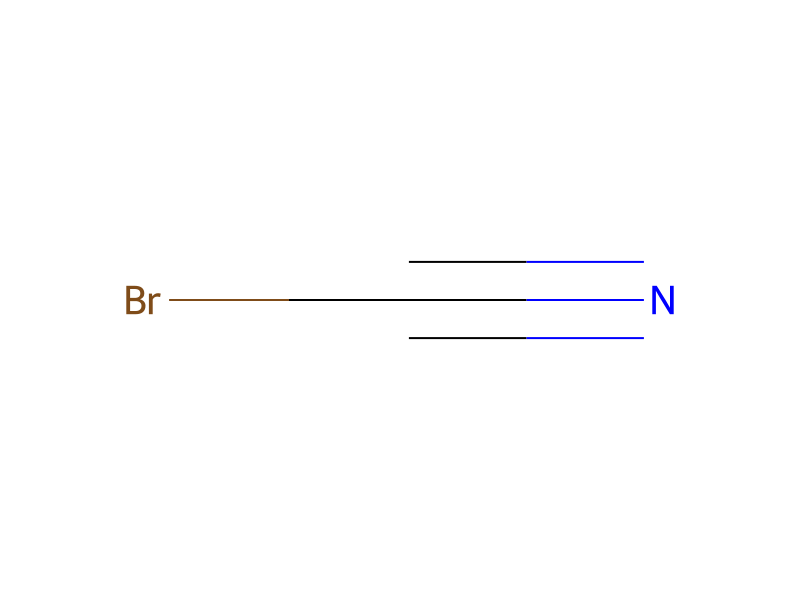
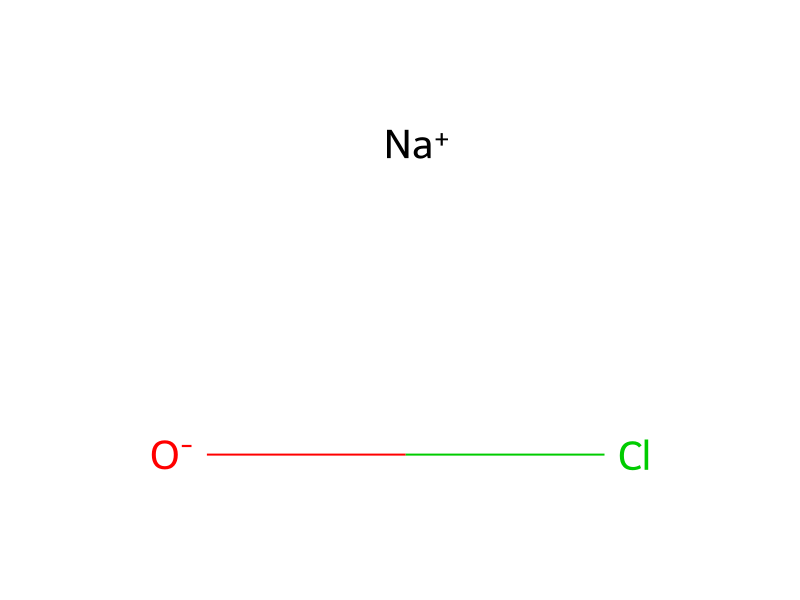
A solution of cyanogen bromide (3.50 g, 33 mmol; caution: highly toxic! Waste disposal: addition of excess NaOCl to a basic aqueous solution of cyanogen bromide) in tetrahydrofuran (3 mL) was added to a solution of 2-amino-5-nitrophenol (4.62 g, 30 mmol) in tetrahydrofuran (20 mL). After stirring for 1 day at r.t, a precipitate had formed which was dissolved by addition of water (5 mL). After stirring further 3 days at r.t., water (10 mL) was added and NaOH was added until the mixture turned basic. The tetrahydrofuran was removed in vacuo and the precipitate formed in the remaining aqueous phase was separated by filtration, washed with water and recrystallized from methanol (100 mL). Upon additional fractional crystallisation of the mother liquor, a total of 3.80 g (21.2 mmol, 71%) of 2-amino-6-nitrobenzoxazole was obtained as a brown solid. LC/ESI-MS: m/z=180 [M+H]+; m/z=178 [M]−H−; R=2.52 min.