HomeMCPSkillsWorkbenchOpenChem
HomeWorkbenchNotificationsMe
llms.txt · skill.md · MCP GuidePrivacy Policy · Terms of Service · Supportv1.8.5
  1. Home
  2. /Reaction

Methanol → 1-(2-Chloro-4,6-dimethylphenyl)-2-methylsulfanyl-1,4,5,6-tetrahydropyridine-3-carboxylic acid methyl ester

HRID 2113779
Print

Reaction equation

[Cl:1][C:2]1[CH:7]=[C:6]([CH3:8])[CH:5]=[C:4]([CH3:9])[C:3]=1[N:10]1[CH2:15][CH2:14][CH2:13][CH2:12][C:11]1=[S:16].[C:17](=O)([O:20]C)[O:18][CH3:19].[H-].[Na+].[CH3:25]O>O1CCOCC1>[CH3:19][O:18][C:17]([C:12]1[CH2:13][CH2:14][CH2:15][N:10]([C:3]2[C:4]([CH3:9])=[CH:5][C:6]([CH3:8])=[CH:7][C:2]=2[Cl:1])[C:11]=1[S:16][CH3:25])=[O:20]
ParticipantsConditionsProcedureWorkupSources & evidenceReaction notes

Participants

6

Reactant 4

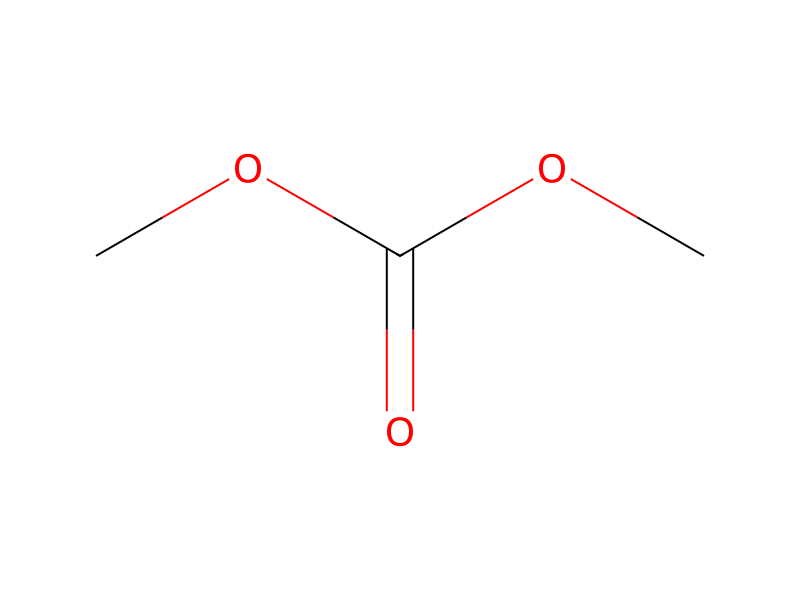
HCID 887MethanolHCID 12021Dimethyl CarbonateHCID 24758Sodium hydrideHCID 121439391-(2-Chloro-4,6-dimethylphenyl)piperidine-2-thione

Product 1

HCID 121439401-(2-Chloro-4,6-dimethylphenyl)-2-methylsulfanyl-1,4,5,6-tetrahydropyridine-3-carboxylic acid methyl ester

Reagents, catalysts & solvents 1

HCID 31275
1,4-Dioxane
Solvent

Conditions

Temperature
120 °C

Procedure

1-(2-Chloro-4,6-dimethylphenyl)piperidine-2-thione (5.11 g), dimethyl carbonate (17.0 mL), sodium hydride (3.7 g of a 60% dispersion in mineral oil), and methanol (0.5 mL) were combined in 100 mL of dioxane and the mixture was stirred in a 120° C. oil bath for 4 h. After the reaction had cooled to room temperature, it was quenched by the addition of aqueous ammonium chloride, diluted with water and washed twice with ethyl acetate. After drying over magnesium sulfate, the ethyl acetate was concentrated and the residue chromatographed on silica gel using an acetone/hexane gradient to provide 5.00 g 1-(2-chloro-4,6-dimethylphenyl)-2-methylsulfanyl-1,4,5,6-tetrahydropyridine-3-carboxylic acid methyl ester: mp 85.3-87.6° C.

Workup

  1. temperatureAfter the reaction had cooled to room temperature
  2. customit was quenched by the addition of aqueous ammonium chloride
  3. additiondiluted with water
  4. washwashed twice with ethyl acetate
  5. dry with materialAfter drying over magnesium sulfate
  6. concentrationthe ethyl acetate was concentrated
  7. customthe residue chromatographed on silica gel using an acetone/hexane gradient

Sources & evidence

ORD record
ord-4d7fbf78060f446697e2fe0821d2a78c
Source dataset
uspto-grants-2008_10
DOI
10.6084/m9.figshare.5104873.v1
Patent number
US07432283B2

Reaction notes

On this pageParticipantsConditionsProcedureWorkupSources & evidenceReaction notes