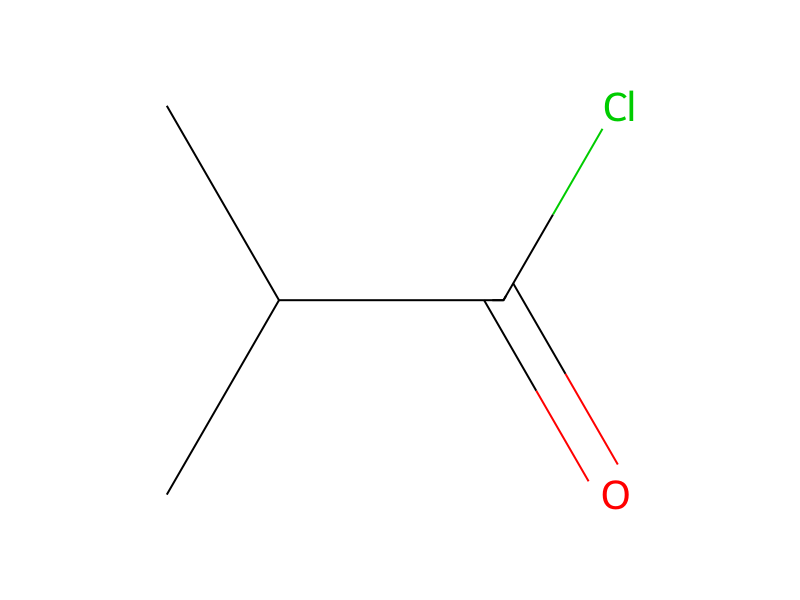
[NH2:1][C:2]1[S:3][CH:4]=[C:5]([C:7]([O:9][CH2:10][CH3:11])=[O:8])[N:6]=1.N1C=CC=CC=1.[C:18](Cl)(=[O:22])[CH:19]([CH3:21])[CH3:20].C(=O)(O)O>ClCCl>[C:18]([NH:1][C:2]1[S:3][CH:4]=[C:5]([C:7]([O:9][CH2:10][CH3:11])=[O:8])[N:6]=1)(=[O:22])[CH:19]([CH3:21])[CH3:20]To an ice-cold mixture of ethyl 2-amino-1,3-thiazole-4-carboxylate (2 g) prepared in a similar manner according to Step 1 of the following Production Example 7, pyridine (1.3 ml) and dichloromethane (20 ml) was added isobutyryl chloride (0.91 ml) and stirred for 30 minutes. To the mixture was added saturated aqueous hydrogen bicarbonate (30 ml), and the organic layer was separated, dried over sodium sulfate and concentrated in vacuo. The crystalline residue was collected and washed with ethyl acetate to give ethyl 2-(isobutyrylamino)-1,3-thiazole-4-carboxylate (1.34 g).