HomeMCPSkillsWorkbenchOpenChem
HomeWorkbenchNotificationsMe
llms.txt · skill.md · MCP GuidePrivacy Policy · Terms of Service · Supportv1.8.6
  1. Home
  2. /Reaction

Triethylamine → Ethyl 3,5-dioxo-4-propionylcyclohexanecarboxylate

HRID 2118410
Print

Reaction equation

[O:1]=[C:2]1[CH2:7][C:6](=[O:8])[CH2:5][CH:4]([C:9]([O:11][CH2:12][CH3:13])=[O:10])[CH2:3]1.C(N(CC)CC)C.[C:21](Cl)(=[O:24])[CH2:22][CH3:23]>ClCCl>[O:8]=[C:6]1[CH:7]([C:21](=[O:24])[CH2:22][CH3:23])[C:2](=[O:1])[CH2:3][CH:4]([C:9]([O:11][CH2:12][CH3:13])=[O:10])[CH2:5]1
ParticipantsProcedureWorkupSources & evidenceReaction notes

Participants

5

Reactant 3

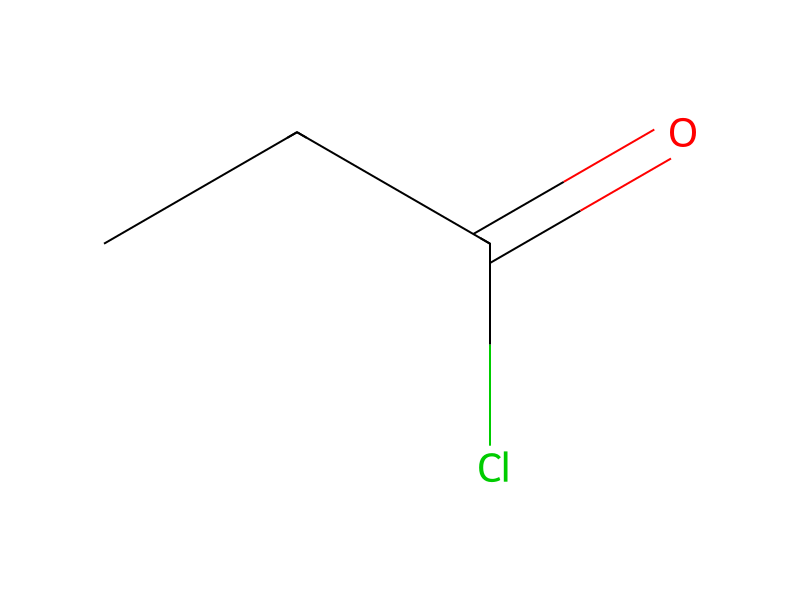
HCID 8471TriethylamineHCID 62324Propionyl chlorideHCID 11252382Ethyl 3,5-dioxocyclohexane-1-carboxylate

Product 1

HCID 13391496Ethyl 3,5-dioxo-4-propionylcyclohexanecarboxylateYield 45.6%

Reagents, catalysts & solvents 1

HCID 6344DichloromethaneSolvent

Procedure

4.2 g of ethyl 3,5-dioxocyclohexanecarboxylate and 3.4 g of triethylamine were dissolved in 50 ml of dichloromethane, to which was added dropwise 2.9 g of propionyl chloride under stirring at room temperature. The resultant mixture was allowed to react at ambient temperature for 2 hours, after which the reaction solution was washed with water and admixed with a dilute aqueous sodium bicarbonate solution to remove the acidic matters from the reaction solution. The organic layer was then separated from the aqueous phase, dried and concentrated to a small volume. The concentrated solution was taken up in 20 ml of toluene, followed by addition of 0.5 g of 4-N,N-dimethylaminopyridine and heating the mixture at 85° C. for 3 hours. Thereafter, the toluene was removed from the reaction solution by distillation under reduced pressure, and the residue was chromatographed on silica gel using benzene as developing solvent to afford 2.5 g of the title compound (Compound No. 9 of Table 1) as colorless flakes having a melting point of 55°- 56° C.


Workup

  1. customto react at ambient temperature for 2 hours
  2. washafter which the reaction solution was washed with water
  3. customto remove the acidic matters from the reaction solution
  4. customThe organic layer was then separated from the aqueous phase
  5. customdried
  6. concentrationconcentrated to a small volume
  7. additionfollowed by addition of 0.5 g of 4-N,N-dimethylaminopyridine
  8. temperatureheating the mixture at 85° C. for 3 hours
  9. customThereafter, the toluene was removed from the reaction solution by distillation under reduced pressure
  10. customthe residue was chromatographed on silica gel

Sources & evidence

ORD record
ord-97bc0a0590984e2cbfd26d0d704bb00a
Source dataset
uspto-grants-1987_07
DOI
10.6084/m9.figshare.5104873.v1
Patent number
US04678496

Reaction notes

On this pageParticipantsProcedureWorkupSources & evidenceReaction notes