Pyridine → HCID 178468799, compound
Reaction equation

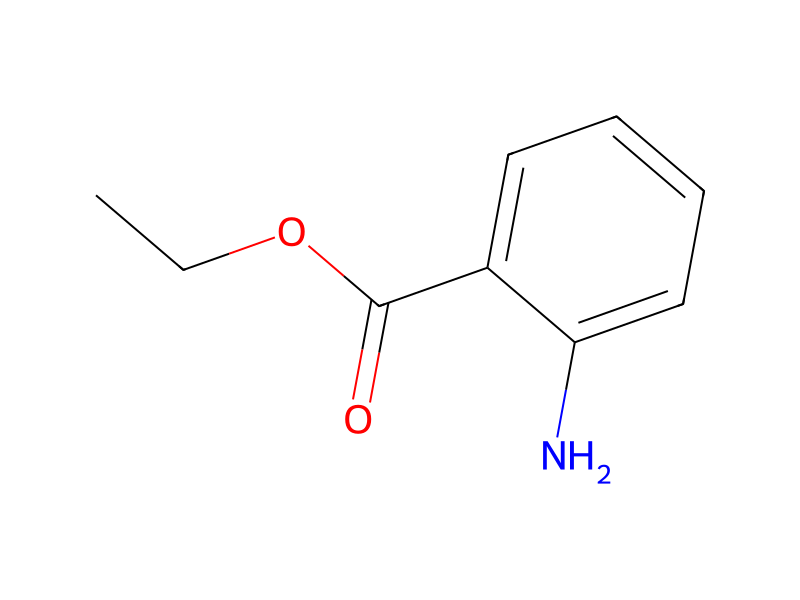
[ClH:1].[NH:2]([CH2:6][C@H:7]1[CH2:12][CH2:11][C@H:10]([C:13]([OH:15])=O)[CH2:9][CH2:8]1)[C:3]([NH2:5])=[NH:4].[C:16]([O:25][CH2:26][CH3:27])(=[O:24])[C:17]1[C:18](=[CH:20][CH:21]=[CH:22][CH:23]=1)[NH2:19].N1C=CC=CC=1.C1(N=C=NC2CCCCC2)CCCCC1>O>[ClH:1].[CH2:26]([O:25][C:16]([C:17]1[CH:23]=[CH:22][CH:21]=[CH:20][C:18]=1[NH:19][C:13]([C@H:10]1[CH2:9][CH2:8][C@H:7]([CH2:6][NH:2][C:3]([NH2:5])=[NH:4])[CH2:12][CH2:11]1)=[O:15])=[O:24])[CH3:27]Participants
Reactant 4



Product 1

Reagents, catalysts & solvents 1

Procedure
Trans-4-guanidinomethylcyclohexanecarboxylic acid hydrochloride (10.0 g, 0.042 mole) (which is prepared by the method as disclosed in Japanese Patent First Publication No. 19694/1977, C.A., 87, 53269x) and ethyl anthranilate (10.4 g, 0.063 mole) are added to pyridine (50 ml), and the mixture is stirred for a while, and thereto is added dicyclohexylcarbodiimide (13 g, 0.063 mole), and the mixture is stirred at room temperature for 72 hours. After the completion of the reaction, water (30 ml) is added to the reaction mixture, and the mixture is stirred for 30 minutes, and the undissolved materials are filtered off. The filtrate is concentrated to dryness. The resulting residue is washed with ethyl acetate (300 ml) and recrystallized from water to give the title compound (6.74 g) as white crystals. m.p. 92°-95° C.
Workup
- stirringthe mixture is stirred at room temperature for 72 hours
- additionis added to the reaction mixture
- stirringthe mixture is stirred for 30 minutes
- filtrationthe undissolved materials are filtered off
- concentrationThe filtrate is concentrated to dryness
- washThe resulting residue is washed with ethyl acetate (300 ml)
- customrecrystallized from water
Sources & evidence
- ORD record
- ord-e94ce90f3b1545ac9c7615fd226e4cb5
- Source dataset
- uspto-grants-1987_07
- Patent number
- US04681895
Reaction notes
Loading…