HomeMCPWorkbenchSkills
HomeWorkbenchNotificationsMe
llms.txt · MCP GuidePrivacy Policy · Terms of Service · Supportv1.8.3
  1. Home
  2. /Reaction

Ammonia → 3,6-Dibromo-9-(prop-2-yn-1-yl)-9H-carbazole

HRID 2119030
Print

Reaction equation

HRID 2119030 reaction equation
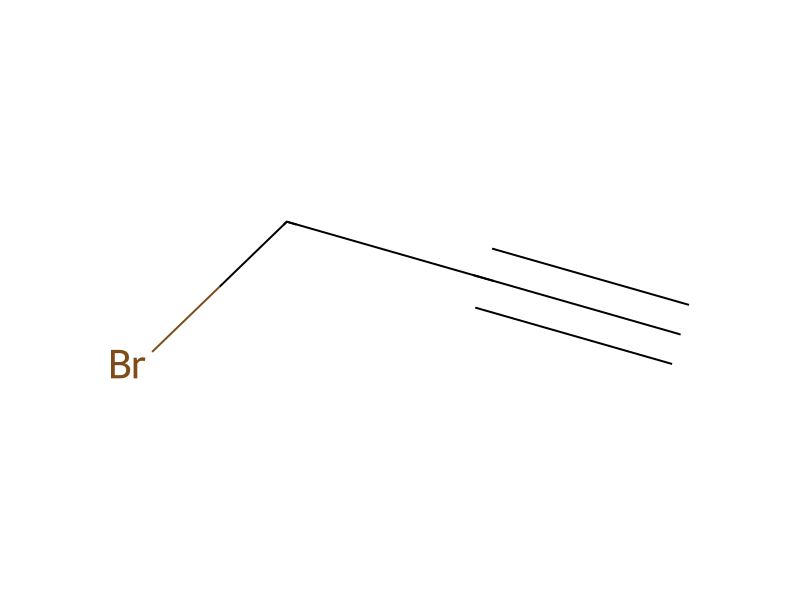
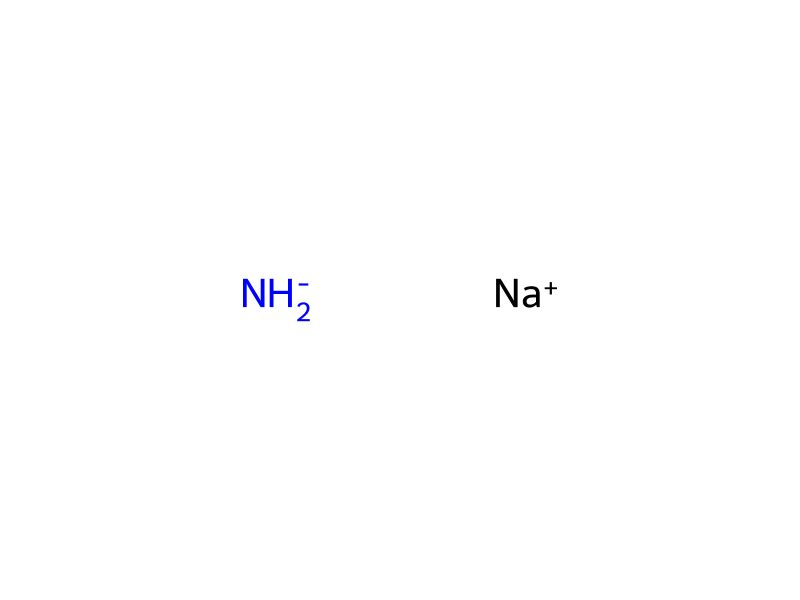
[NH2-].[Na+].[Br:3][C:4]1[CH:5]=[CH:6][C:7]2[NH:8][C:9]3[C:14]([C:15]=2[CH:16]=1)=[CH:13][C:12]([Br:17])=[CH:11][CH:10]=3.N.[CH2:19](Br)[C:20]#[CH:21]>C1(C)C=CC=CC=1>[CH2:21]([N:8]1[C:7]2[CH:6]=[CH:5][C:4]([Br:3])=[CH:16][C:15]=2[C:14]2[C:9]1=[CH:10][CH:11]=[C:12]([Br:17])[CH:13]=2)[C:20]#[CH:19]
ParticipantsProcedureWorkupSources & evidenceReaction notes

Participants

6

Reactant 4

HCID 222Ammonia2×HCID 7842Propargyl bromideHCID 24533Sodium amideHCID 2748743,6-Dibromocarbazole

Product 1

HCID 155440993,6-Dibromo-9-(prop-2-yn-1-yl)-9H-carbazoleYield 63.9%

Reagents, catalysts & solvents 1

HCID 1140
Toluene
Solvent

Procedure

Sodium amide (7.73 g, 0.198 mole) was carefully added to a suspension of 3,6-dibromocarbazole (54.7 g, 0.168 mole) in liquid ammonia (ca. 600 ml.) under argon atmosphere. After solution occurred, propargyl bromide (20.2 g, 0.170 mole) in toluene was added dropwise to the solution over 25 minute period. The reaction mixture was stirred for an additional 100 minutes, and the ammonia was allowed to evaporate. The resultant solid was washed with water and recrystallized from ethanol to give 39 g (63% yield) tan needles, mp 193°-194°. This solid gave an infrared spectrum with significant features at 3290, 2120, 870, 830, 800, and 790 cm-1.

Workup

  1. customto evaporate
  2. washThe resultant solid was washed with water
  3. customrecrystallized from ethanol

Sources & evidence

ORD record
ord-0228a60ae136407ab7cd7b47bd81465f
Source dataset
uspto-grants-1987_07
DOI
10.6084/m9.figshare.5104873.v1
Patent number
US04681920

Reaction notes

On this pageParticipantsProcedureWorkupSources & evidenceReaction notes