Reaction equation

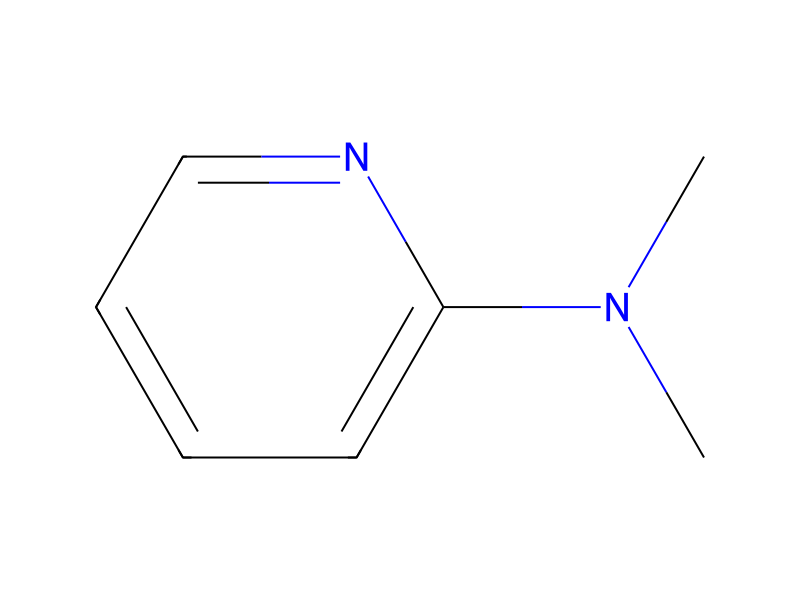
O[C:2]1[CH:7]=[CH:6][C:5]([C:8]2[CH:13]=[CH:12][C:11]([CH2:14][CH2:15][CH2:16][CH2:17][CH2:18][CH2:19][CH2:20][CH3:21])=[CH:10][CH:9]=2)=[CH:4][CH:3]=1.[C:22]([Cl:33])(=[O:32])[C:23]1[CH:31]=[CH:30][C:26]([C:27]([Cl:29])=[O:28])=[CH:25][CH:24]=1.ClCCl.CN(C1C=CC=CN=1)C>C(N(CC)CC)C>[CH2:14]([C:11]1[CH:10]=[CH:9][C:8]([C:5]2[CH:4]=[CH:3][C:2]([C:31]3[C:23]([C:22]([Cl:33])=[O:32])=[CH:24][CH:25]=[C:26]([C:27]([Cl:29])=[O:28])[CH:30]=3)=[CH:7][CH:6]=2)=[CH:13][CH:12]=1)[CH2:15][CH2:16][CH2:17][CH2:18][CH2:19][CH2:20][CH3:21]Participants
6





Procedure
To a solution of 4-hydroxy-4'-octylbiphenyl (0.5 g) and terephthaloyl chloride (0.36 g) in about dichloromethane (30 ml) was added drop by drop triethylamine (0.2 g). To the solution was added dimethylaminopyridine (0.013 g) and the mixture was stirred at the room temperature for 10 hours to obtain the titled compound.
Sources & evidence
- ORD record
- ord-2394b2dec9d049a3b2e5b53f9d321778
- Source dataset
- uspto-grants-1995_06
- Patent number
- US05424005
Linked notes
Loading…