HomeMCPSkillsWorkbenchOpenChem
HomeWorkbenchNotificationsMe
llms.txt · skill.md · MCP GuidePrivacy Policy · Terms of Service · Supportv1.8.4
  1. Home
  2. /Reaction

Carbon Dioxide → 2-hexyl-N,N'-dimethyl-N,N'-dibutyl-propane diamide

HRID 2165026
Print

Reaction equation

[CH3:1][N:2]([CH2:14][CH2:15][CH2:16][CH3:17])[C:3](=[O:13])[CH2:4][C:5]([N:7]([CH3:12])[CH2:8][CH2:9][CH2:10][CH3:11])=[O:6].C(=O)=O.C([Li])CCC.[CH2:26](I)[CH2:27][CH2:28][CH2:29][CH2:30][CH3:31]>O1CCCC1.C(Cl)Cl.O.C(O)C>[CH2:26]([CH:4]([C:3]([N:2]([CH3:1])[CH2:14][CH2:15][CH2:16][CH3:17])=[O:13])[C:5]([N:7]([CH3:12])[CH2:8][CH2:9][CH2:10][CH3:11])=[O:6])[CH2:27][CH2:28][CH2:29][CH2:30][CH3:31]
ParticipantsProcedureWorkupSources & evidenceReaction notes

Participants

8

Reactant 4

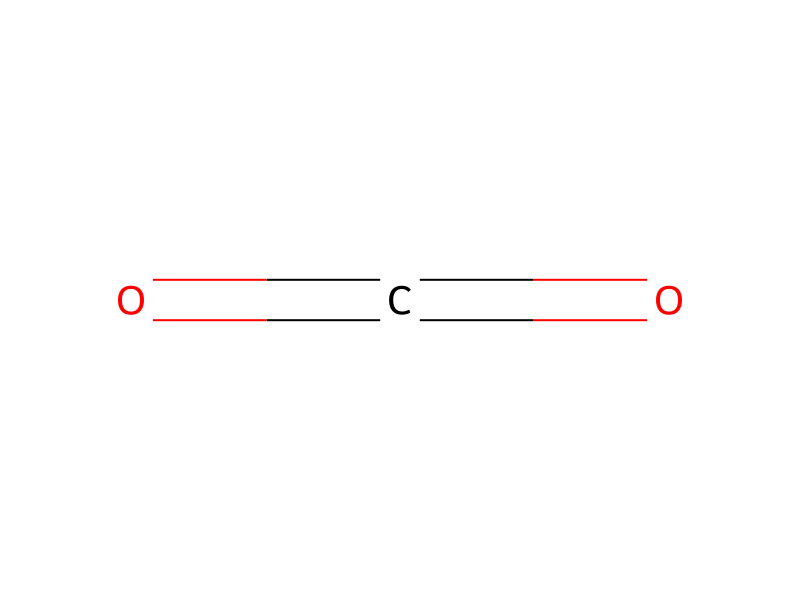
HCID 280Carbon DioxideHCID 125271-Iodohexane2×HCID 13398903N1,N3-dibutyl-N1,N3-dimethylmalonamideHCID 178418339Butyllithium2×

Product 1

HCID 137974652-hexyl-N,N'-dimethyl-N,N'-dibutyl-propane diamide

Reagents, catalysts & solvents 3

HCID 6344
Dichloromethane
Solvent
HCID 8028TetrahydrofuranSolvent5×
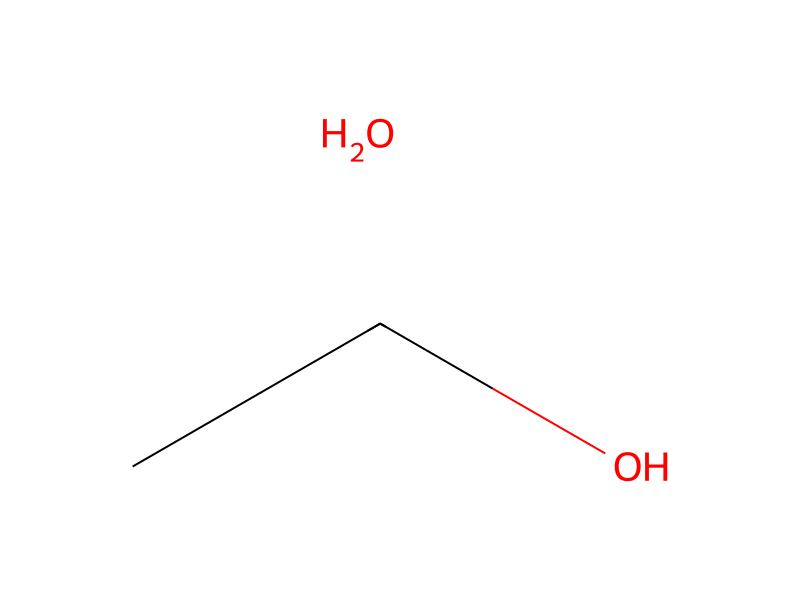
HCID 19096565Water ethanolSolvent

Procedure

0.1 mol of N,N'-dimethyl-N,N'-dibutyl-propane diamide dissolved in 400 ml of tetrahydrofuran are introduced into a one litre reactor, scavenged by a nitrogen stream. Cooling takes place to -50° C. using an acetone bath and solid carbon dioxide. Then pouring of a solution of n-butyl lithium prepared from 0.1 mol of n-butyl lithium in 100 ml of anhydrous tetrahydrofuran occurs. Under the same conditions a solution of hexyl iodide prepared from 0.1 mol of hexyl iodide and 100 ml of anhydrous tetrahydrofuran is poured. When pouring is at an end, the temperature is allowed to rise to ambient temperature again, followed by refluxing the tetrahydrofuran is for three hours. Cooling is allowed to take place, followed by hydrolysis with a water-ethanol mixture. The tetrahydrofuran is expelled and in this way a precipitate is formed. This is taken up with methylene chloride, followed by washing with water, drying the organic layer, expelling the solvent and distilling. The boiling point is 145° to 148° C. under 0.4 mm of mercury and the product is a yellow liquid. Its characterization by nuclear magnetic resonance of the proton and by potentiometric dosage confirms that it corresponds to the above formula.

Workup

  1. additionare introduced into a one litre reactor
  2. temperatureCooling
  3. customto -50° C.
  4. additionis poured
  5. additionWhen pouring
  6. customto rise to ambient temperature
  7. temperatureCooling
  8. customis formed
  9. washby washing with water
  10. customdrying the organic layer
  11. distillationdistilling

Sources & evidence

ORD record
ord-ff3a0541808047db8e9639484d4f0e58
Source dataset
uspto-grants-1990_07
DOI
10.6084/m9.figshare.5104873.v1
Patent number
US04938871

Reaction notes

On this pageParticipantsProcedureWorkupSources & evidenceReaction notes