HomeMCPWorkbenchSkills
HomeWorkbenchNotificationsMe
llms.txt · MCP GuidePrivacy Policy · Terms of Service · Supportv1.8.1
  1. Home
  2. /Reaction

Ammonia → Triallylamine

HRID 2165976
Print

Reaction equation

HRID 2165976 reaction equation
C1(P([C:25]2[CH:30]=[CH:29]C=CC=2)CCCCP(C2C=CC=CC=2)C2C=CC=CC=2)C=CC=CC=1.C(O)CCO.C(O)C=C.N.[CH2:41]([NH:44][CH2:45][CH:46]=[CH2:47])[CH:42]=[CH2:43]>Cl[Pd]Cl.O>[CH2:41]([NH2:44])[CH:42]=[CH2:43].[CH2:41]([N:44]([CH2:29][CH:30]=[CH2:25])[CH2:45][CH:46]=[CH2:47])[CH:42]=[CH2:43]
ParticipantsProcedureWorkupSources & evidenceReaction notes

Participants

9

Reactant 5

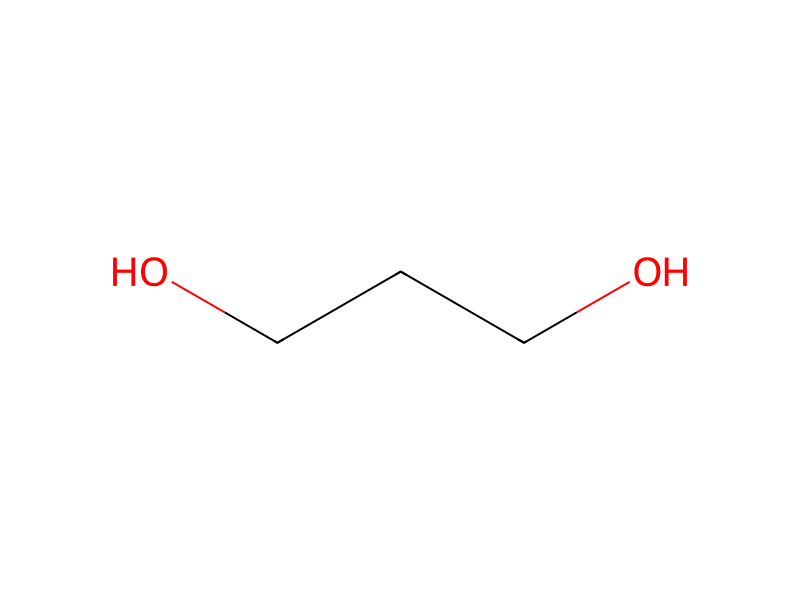
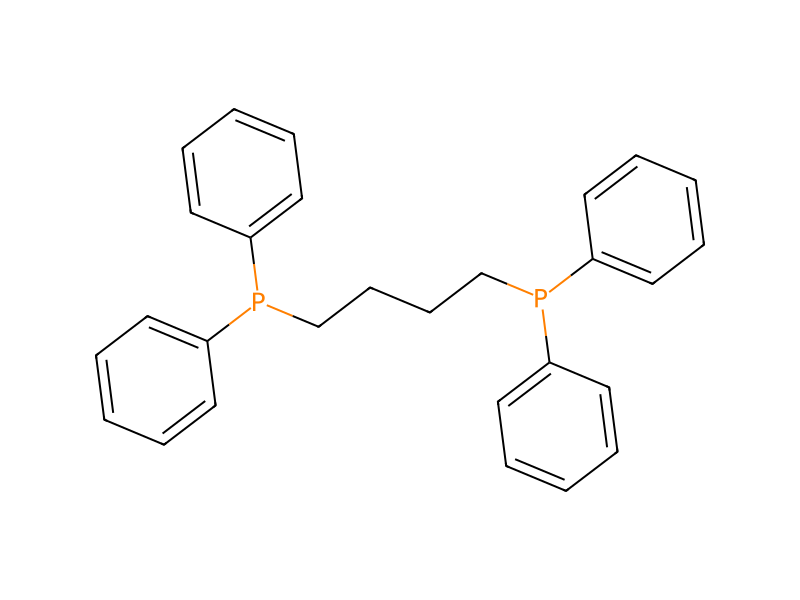
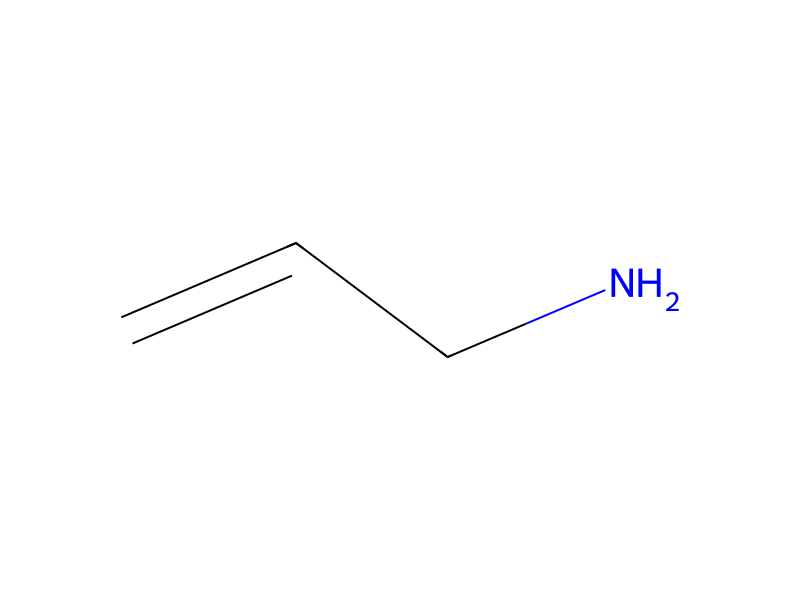
HCID 222AmmoniaHCID 7858Allyl AlcoholHCID 104421,3-PropanediolHCID 31279DiallylamineHCID 821241,4-Bis(diphenylphosphino)butane

Product 2

HCID 7617TriallylamineHCID 7853Allylamine

Reagents, catalysts & solvents 2

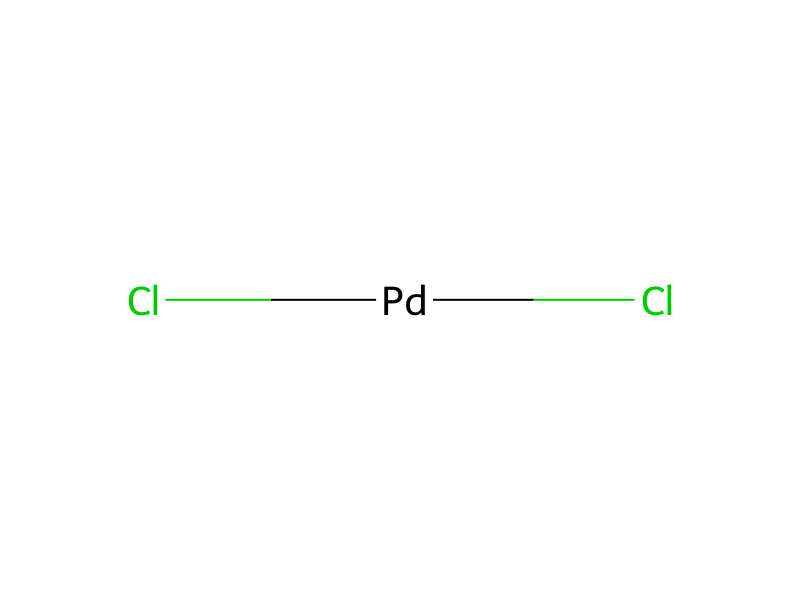
HCID 24290Palladium ChlorideCatalystHCID 962WaterSolvent

Procedure

To 1.8 mg (0.01 millimole) of PdCl2 was added 8.5 mg (0.02 millimole) of 1,4-bis(diphenylphosphino)butane, and 5.0 g of 1,3-propane-diol, 3.6 mg of water and 9.1 mg (0.01 millimole) of tetramethyl hydroxide were added and reaction between 8.4 g (145 millimoles) of allyl alcohol and 4.6 g (271 millimoles) of ammonia was carried out at 110° C. with stirring for 2 hours. As the products, there were obtained 0.20 g (3.5 millimoles) of monoallylamine, 0.78 (8.0 millimoles) of diallylamine and 0.92 g (6.7 millimoles) of triallylamine. The conversion based on allyl alcohol was 29.8%, and the selectivity was 91.7%.

Workup

  1. additionwere added
  2. customwas carried out at 110° C.

Sources & evidence

ORD record
ord-4ecc615556864fdabe3e64600d30a813
Source dataset
uspto-grants-1990_07
DOI
10.6084/m9.figshare.5104873.v1
Patent number
US04942261

Reaction notes

On this pageParticipantsProcedureWorkupSources & evidenceReaction notes