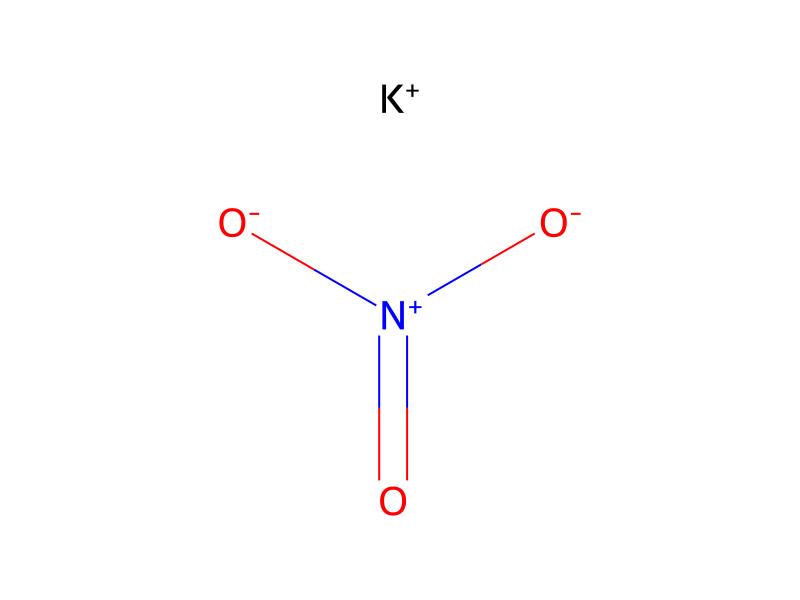
[C:1]([C:3]1[CH:18]=[C:17]([C:19]([F:22])([F:21])[F:20])[CH:16]=[CH:15][C:4]=1[O:5][C:6]1[CH:7]=[C:8]([CH:12]=[CH:13][CH:14]=1)[C:9]([OH:11])=[O:10])#[N:2].ClCCCl.S(=O)(=O)(O)O.[N+:32]([O-])([O-:34])=[O:33].[K+]>O>[C:1]([C:3]1[CH:18]=[C:17]([C:19]([F:20])([F:21])[F:22])[CH:16]=[CH:15][C:4]=1[O:5][C:6]1[CH:14]=[CH:13][C:12]([N+:32]([O-:34])=[O:33])=[C:8]([CH:7]=1)[C:9]([OH:11])=[O:10])#[N:2]The product from (a) (9.22 g) was added in portions to a mixture of 1,2-dichloroethane (25 ml) and concentrated sulphuric acid (40 ml) stirred at 0° C. Potassium nitrate (3.13 g) was then added in portions with stirring at 0° C., over a period of 15 minutes. The mixture was then stirred at 0° C. for 30 minutes, allowed to warm to room temperature, and poured into 200 ml of ice and water. The mixture was stirred until the ice had melted, and filtered with suction. The solid which separated on evaporation of the dichloroethane was washed with water and taken up in ether. The ether solution was treated with charcoal, dried and petroleum (b.p. 40°-60° C.) added. The solid which separated was identified as the required benzoic acid derivative (7.8 g) having a melting point of 190°-192° C.