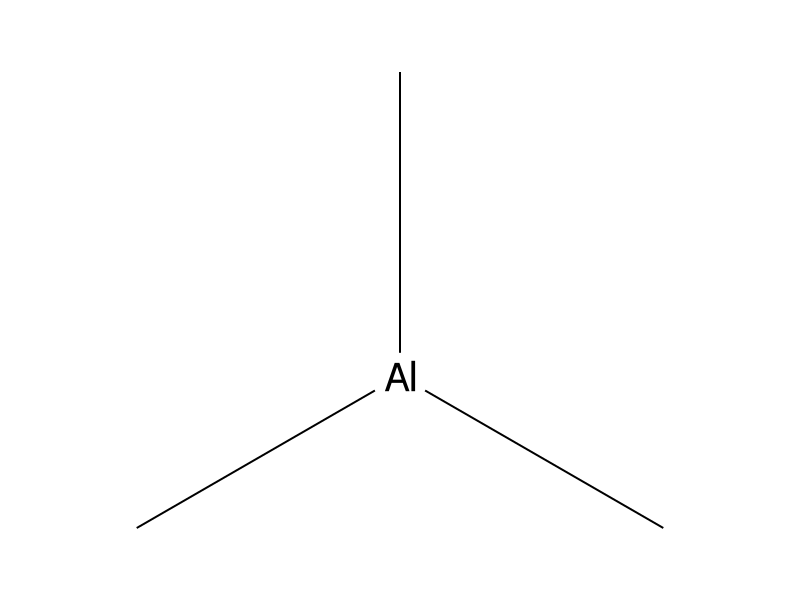
[NH2:1][C:2]1[CH:3]=[C:4]([CH:8]2[CH2:15][N:14]3[C:10]([S:11][CH2:12][CH2:13]3)=[N:9]2)[CH:5]=[CH:6][CH:7]=1.C[Al](C)C.C([O:22][C:23]([C:25]1[N:29]([C:30]2[CH:35]=[CH:34][CH:33]=[CH:32][CH:31]=2)[N:28]=[C:27]([CH3:36])[CH:26]=1)=O)C>ClCCl>[CH3:36][C:27]1[CH:26]=[C:25]([C:23]([NH:1][C:2]2[CH:3]=[C:4]([CH:8]3[CH2:15][N:14]4[C:10]([S:11][CH2:12][CH2:13]4)=[N:9]3)[CH:5]=[CH:6][CH:7]=2)=[O:22])[N:29]([C:30]2[CH:35]=[CH:34][CH:33]=[CH:32][CH:31]=2)[N:28]=1To 6-(m-aminophenyl)-2,3,5,6-tetrahydroimidazo[2,1-b]thiazole (1.43 g; 6.5 mmol) in dry dichloromethane (30 ml) under nitrogen at room temperature was added trimethylaluminium (10 ml; 25% in hexane). After 30 mins 3-methyl-1-phenylpyrazole 5-carboxylic acid ethyl ester (1.5 g, 6.5 mmol) in dry dichloromethane (5 ml) was added and the mixture heated under reflux for 24 hr. The reaction was quenched by the slow addition of hydrochloric acid (20 ml; 2 N aqueous), the resulting two phase system basified with aqueous ammonia solution (5 N) and extracted with chloroform (3×200 ml). After drying (MgSO4) the combined organic phases were concentrated in vacuo to afford an oil which was separated by column chromatography on alumina eluting with chloroform. The major band was further purified by column chromatography on silica gel (60-120 mesh) eluting with chloroform to afford the amide (1.93 g; 62%) which was converted into its hydrochloride salt by the addition of isopropanolic hydrogen chloride. Recrystallisation from ethanol afforded the pure salt (0.7 g).