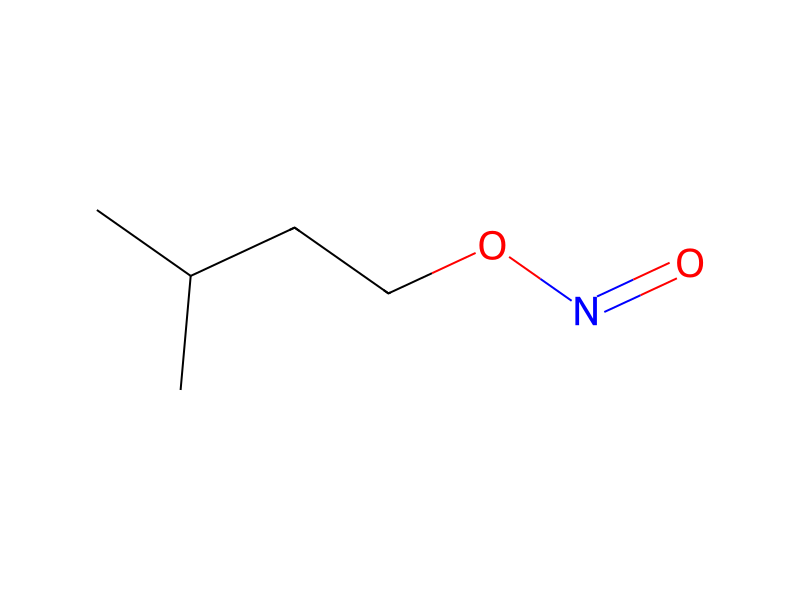
To a solution of methyl 2-amino-5-fluoro-3-methylbenzoate (1.0 g, 5.5 mmol) from Step C above in chloroform (15 mL) was added acetic anhydride (1.2 ml) while maintaining the temperature below 40° C. The reaction mixture was stirred at room temperature for 90 min then potassium acetate (157 mg, 1.6 mmol) and isoamyl nitrite (1.62 ml, 12 mmol) were added to it. The reaction mixture was heated to reflux for overnight. The reaction mixture was cooled to room temperature, extracted with dichlormethane, washed with water, saturated sodium bicarbonate and brine. The organic extract was dried (Na2SO4) and concentrated in vacuo to afford a red solid, which was purified by column chromatography (silica gel, 0-50% ethyl acetate/hexanes) to afford methyl 5-fluoro-1H-indazole-7-carboxylate (455 mg, 43%) as a yellow brown solid: 1H NMR (500 MHz, CDCl3) δ 8.25 (s, 1H), 7.96 (dd, J=9.0, 3.0 Hz, 1H), 7.81 (dd, J=9.0, 3.0 Hz, 1H), 3.98 (s, 3H); MS (ESI+) m/z 195.