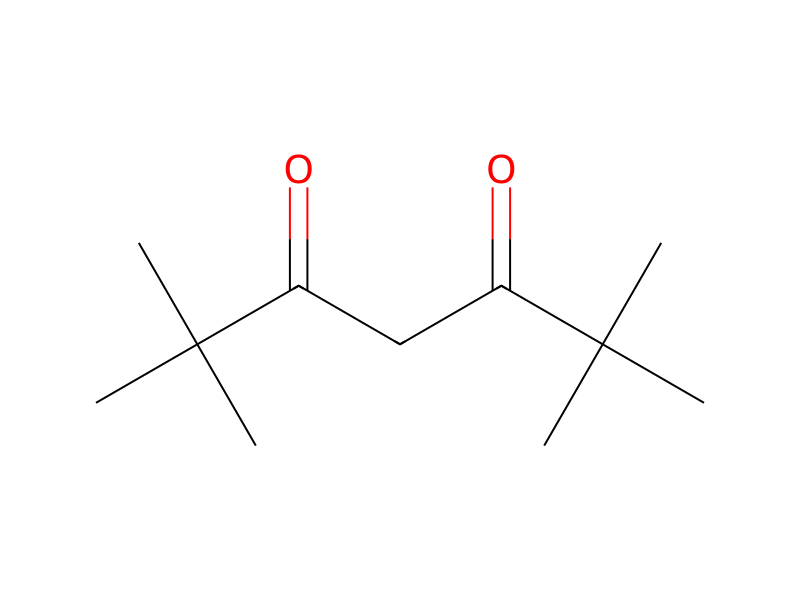
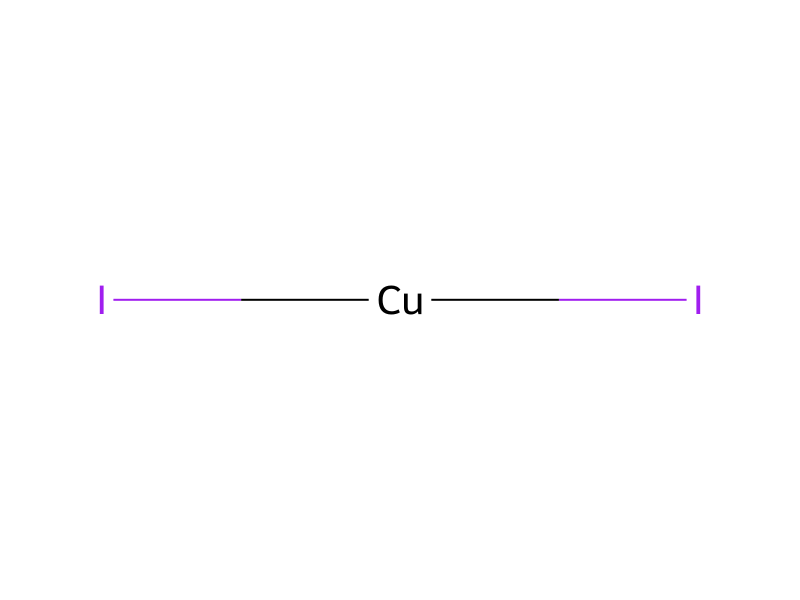
Cesium carbonate (24.4 g), 1,2,3-triazole (4.35 ml), 2,2,6,6-tetramethyl-3,5-heptanedione (3.89 ml), and copper iodide (7.1 g) were added to a DMSO (100 ml) solution containing 3-iodo-5-nitropyridin-2-ol (10 g) in a nitrogen atmosphere, followed by stirring at 155° C. for 1 hour. The reaction solution was adjusted to room temperature and water was added to the reaction solution. An insoluble precipitate was removed by filtration. 1M hydrochloric acid (110 ml) was added to the resulting filtrate so as to acidify the reaction solution, followed by extraction with ethyl acetate. The organic layers were washed with saturated saline and dried over anhydrous sodium sulfate and the solvent was distilled away under reduced pressure. Ethyl acetate was added to the obtained residue and insoluble matter was collected by filtration. A yellow solid mixture (4.86 g) of 5-nitro-3-(2H-1,2,3-triazol-2-yl)pyridin-2-ol and 5-nitro-3-(1H-1,2,3-triazol-1-yl)pyridin-2-ol was thus obtained.