HomeMCPWorkbenchSkills
HomeWorkbenchNotificationsMe
llms.txt · MCP GuidePrivacy Policy · Terms of Service · Supportv1.8.3
  1. Home
  2. /Reaction

Cesium carbonate → Tert-butyl (2-chloro-3-fluoropyridin-4-yl)carbamate

HRID 2171252
Print

Reaction equation

HRID 2171252 reaction equation
[C:1](=[O:8])([O:3][C:4]([CH3:7])([CH3:6])[CH3:5])[NH2:2].C(=O)([O-])[O-].[Cs+].[Cs+].CC1(C)C2C(=C(P(C3C=CC=CC=3)C3C=CC=CC=3)C=CC=2)OC2C(P(C3C=CC=CC=3)C3C=CC=CC=3)=CC=CC1=2.[Cl:57][C:58]1[C:63]([F:64])=[C:62](I)[CH:61]=[CH:60][N:59]=1>C1C=CC(/C=C/C(/C=C/C2C=CC=CC=2)=O)=CC=1.C1C=CC(/C=C/C(/C=C/C2C=CC=CC=2)=O)=CC=1.C1C=CC(/C=C/C(/C=C/C2C=CC=CC=2)=O)=CC=1.[Pd].[Pd].O.C1(C)C=CC=CC=1>[Cl:57][C:58]1[C:63]([F:64])=[C:62]([NH:2][C:1](=[O:8])[O:3][C:4]([CH3:7])([CH3:6])[CH3:5])[CH:61]=[CH:60][N:59]=1
ParticipantsConditionsProcedureWorkupSources & evidenceReaction notes

Participants

8

Reactant 4

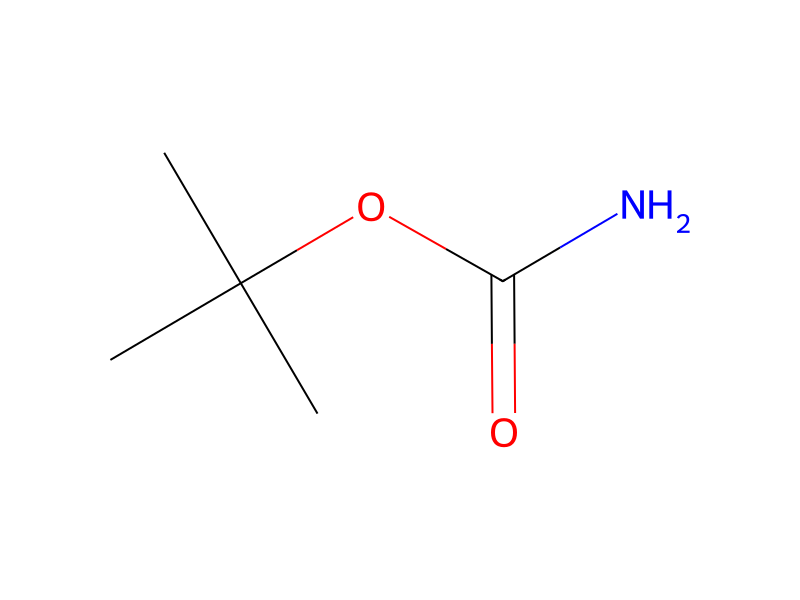
HCID 10796Cesium carbonateHCID 77922tert-Butyl carbamateHCID 6360441,1'-(9,9-Dimethyl-9H-xanthene-4,5-diyl)bis(1,1-diphenylphosphine)HCID 110650872-Chloro-3-fluoro-4-iodopyridine

Product 1

HCID 86723306Tert-butyl (2-chloro-3-fluoropyridin-4-yl)carbamateYield 123.6%

Reagents, catalysts & solvents

3
HCID 9811564Bis(dibenzylideneacetone)palladiumCatalystHCID 962WaterSolventHCID 1140TolueneSolvent

Conditions

Temperature
100 °C

Procedure

tert-Butyl carbamate (215 mg), cesium carbonate (1.14 g), Pd2(dba)3 (240 mg), and Xantphos (303 mg) were added to a toluene solution (9 ml) containing 2-chloro-3-fluoro-4-iodopyridine (450 mg), followed by stirring at 100° C. for 3 hours. The reaction solution was adjusted to room temperature and water was added to the reaction solution, followed by extraction with ethyl acetate. The organic layers were washed with saturated saline, dried over anhydrous sodium sulfate. Next, the solvent was distilled away under reduced pressure and the obtained residue was purified by silica gel chromatography (n-hexane:ethyl acetate=9:1 to 3:1). A yellow oily matter of tert-butyl (2-chloro-3-fluoropyridin-4-yl)carbamate (533 mg) was thus obtained.

Workup

  1. customwas adjusted to room temperature
  2. extractionfollowed by extraction with ethyl acetate
  3. washThe organic layers were washed with saturated saline
  4. dry with materialdried over anhydrous sodium sulfate
  5. distillationNext, the solvent was distilled away under reduced pressure
  6. customthe obtained residue was purified by silica gel chromatography (n-hexane:ethyl acetate=9:1 to 3:1)

Sources & evidence

ORD record
ord-e2f618ea77b14f3b83ccda0baec47ab5
Source dataset
uspto-grants-2015_06
DOI
10.6084/m9.figshare.5104873.v1
Patent number
US09051310B2

Reaction notes

On this pageParticipantsConditionsProcedureWorkupSources & evidenceReaction notes