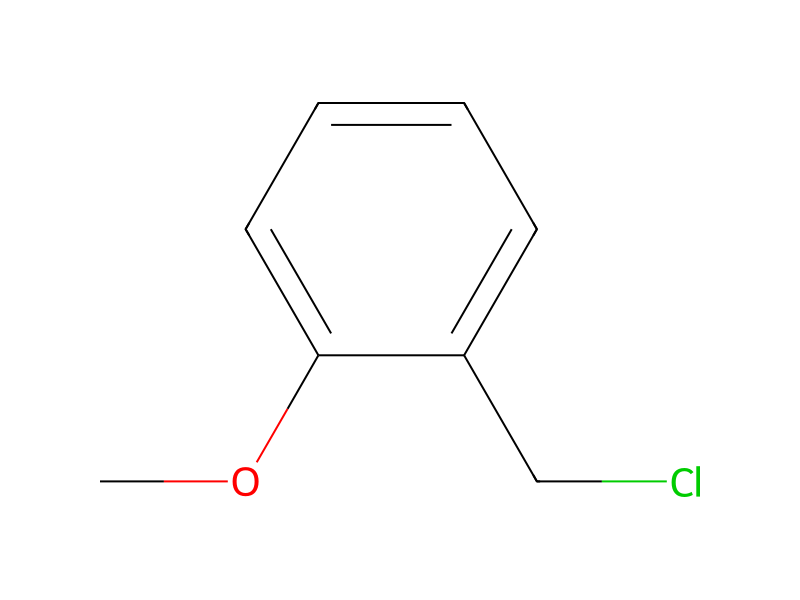
[CH3:1][N:2]([CH2:4][CH:5]1[CH2:14][CH2:13][C:12]2[C:7](=[CH:8][CH:9]=[CH:10][CH:11]=2)[C:6]1([CH2:16][C:17]1[CH:22]=[CH:21][CH:20]=[CH:19][C:18]=1[O:23][CH3:24])O)[CH3:3].COC1C=CC=CC=1C[Cl:30].CN(CC1CCC2C(=CC=CC=2)C1=O)C.C(=O)([O-])[O-].[K+].[K+].C[Si](C)(C)Cl.O>C(O)=O.O.CC(=O)CC>[ClH:30].[CH3:24][O:23][C:18]1[CH:19]=[CH:20][CH:21]=[CH:22][C:17]=1/[CH:16]=[C:6]1\[CH:5]([CH2:4][N:2]([CH3:3])[CH3:1])[CH2:14][CH2:13][C:12]2[C:7]\1=[CH:8][CH:9]=[CH:10][CH:11]=2A solution of 7.06 g (1RS,2RS)-2-dimethylaminomethyl-1-(2-methoxy-benzyl)-1,2,3,4-tetrahydronaphth-1-ol (prepared analogously to example 1, stage 1 from 2-methoxybenzyl chloride and 2-dimethylaminomethyl-3,4-dihydronaphthalen-1-one) in 45 ml formic acid was stirred at 20° C. for 3 hours. It was diluted with 100 ml water and rendered alkaline by addition of potassium carbonate in portions up to pH 9. The mixture was extracted three times with 50 ml methylene chloride each time. The extracts were washed with saturated sodium chloride solution, dried over sodium sulfate and evaporated in vacuo. The residue was separated by column chromatography with ethyl acetate as the eluting agent, the two title compounds being obtained as bases, which were converted into the hydrochlorides with trimethylchlorosilane/water in 2-butanone.