HomeMCPWorkbenchSkills
HomeWorkbenchNotificationsMe
llms.txt · MCP GuidePrivacy Policy · Terms of Service · Supportv1.8.3
  1. Home
  2. /Reaction

Ammonia → 6-Carbamoyl-3-picolylamine dihydrochloride

HRID 2184245
Print

Reaction equation

HRID 2184245 reaction equation
[C:1]([C:3]1[CH:4]=[CH:5][C:6]([C:9]([NH2:11])=[O:10])=[N:7][CH:8]=1)#[N:2].C(Cl)[Cl:13].CO.N>CO.Cl.[Pd]>[ClH:13].[ClH:13].[C:9]([C:6]1[N:7]=[CH:8][C:3]([CH2:1][NH2:2])=[CH:4][CH:5]=1)(=[O:10])[NH2:11]
ParticipantsProcedureWorkupSources & evidenceReaction notes

Participants

7

Reactant 3

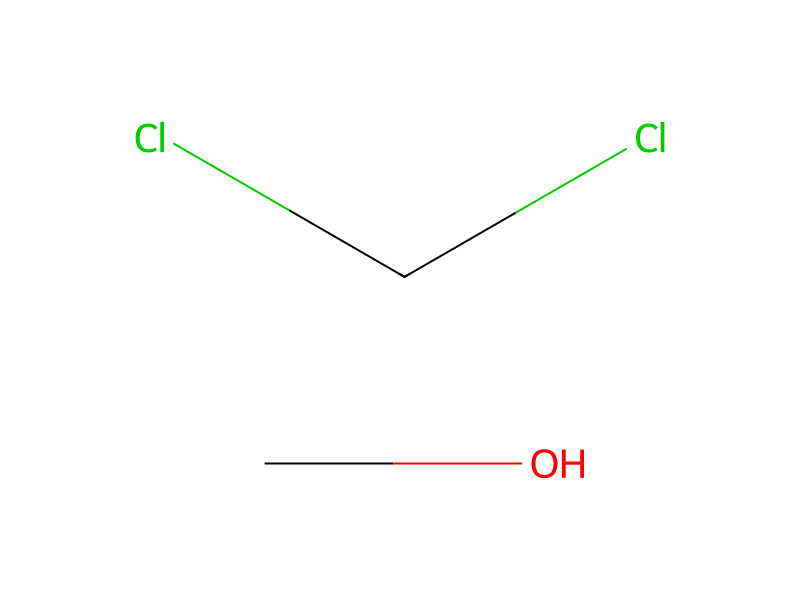
HCID 222AmmoniaHCID 112750865-Cyanopyridine-2-carboxamideHCID 21226129Dichloromethane methanol

Product 1

HCID 224761366-Carbamoyl-3-picolylamine dihydrochloride

Reagents, catalysts & solvents 3

HCID 23938PalladiumCatalystHCID 313Hydrochloric Acid
Solvent
HCID 887MethanolSolvent

Procedure

67 g (0.46 mol) of 5-cyanopyridine-2-carboxamide (Chem. Ber. 117 (1984) 1259) were suspended in 1 l aqueous methanol (1/1) and 84.7 ml (1.9 equivs.) of conc. HCl, 21,4 g of 10% strength Pd/C were added and hydrogenation was carried out in a shaken vessel at room temperature for 5 h (H2 uptake: 23.2; l theory: 22.3 l). The product dissolved during the hydrogenation (and the catalyst changed from gray to black). TLC (CH2Cl2/MeOH 9/1, NH3-saturated) revealed only traces of starting material.

Workup

  1. dissolutionThe product dissolved during the hydrogenation (and the catalyst

Sources & evidence

ORD record
ord-37907862875f4cc5af749a09360bdc54
Source dataset
uspto-grants-2005_05
DOI
10.6084/m9.figshare.5104873.v1
Patent number
US06900319B2

Reaction notes

On this pageParticipantsProcedureWorkupSources & evidenceReaction notes