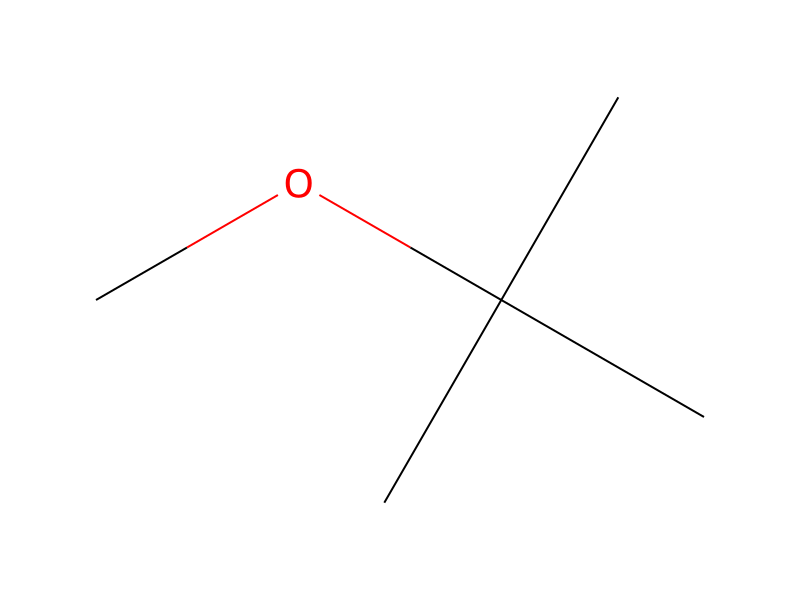
[CH3:1][O:2][C:3]1[CH:4]=[C:5]([CH:8]=[CH:9][C:10]=1[N+:11]([O-])=O)[CH2:6][OH:7].[CH3:14][C:15]1[CH:20]=[CH:19][CH:18]=[CH:17][C:16]=1[N:21]=[C:22]=[O:23]>C(OC)(C)(C)C.[Pd]>[CH3:14][C:15]1[CH:20]=[CH:19][CH:18]=[CH:17][C:16]=1[NH:21][C:22](=[O:23])[NH:11][C:10]1[CH:9]=[CH:8][C:5]([CH2:6][OH:7])=[CH:4][C:3]=1[O:2][CH3:1]15 g (81.8 mmol) of 3-methoxy-4-nitrobenzyl alcohol were hydrogenated with ice cooling on 1.3 g of palladium/carbon (10% strength; 50% water) in 500 ml of methyl tert-butyl ether. After the absorption of hydrogen was complete, the catalyst was filtered off and 10.14 ml (81.8 mmol) of 2-methylphenyl isocyanate were added to the filtrate with stirring in the course of 30 minutes. The reaction mixture was allowed to stand overnight, and the precipitated solid was filtered off with suction and washed with methyl tert-butyl ether. 20.5 g (88%) of 4-(3-(2-methylphenyl)ureido)-3-methoxybenzyl alcohol were obtained.