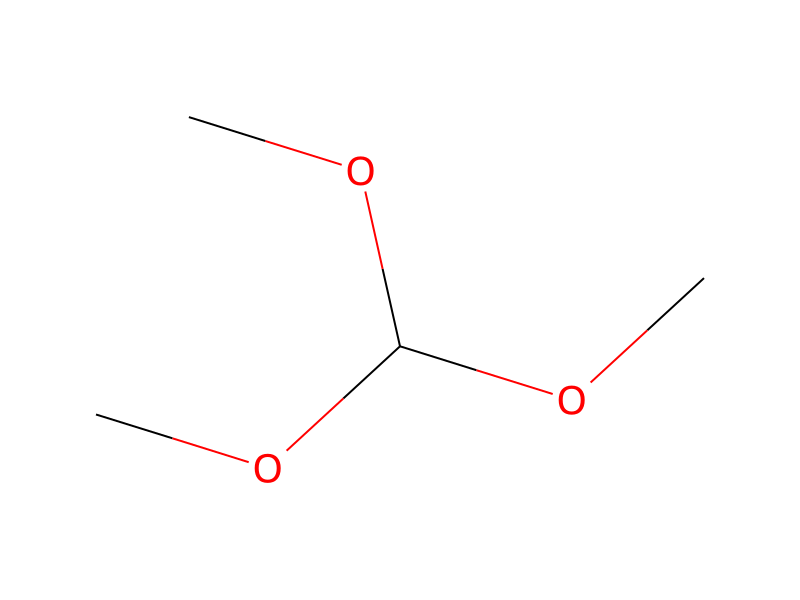
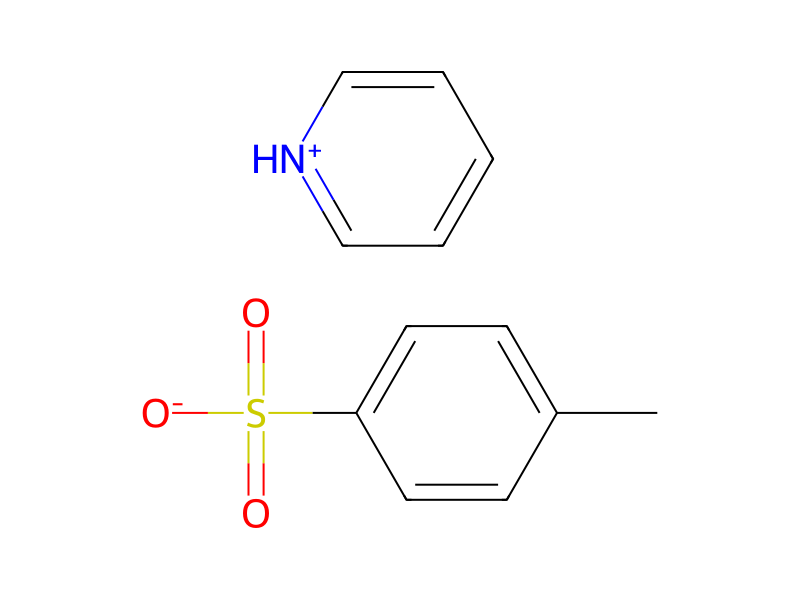
[Cl:1][C:2]1[CH:7]=[C:6]([F:8])[CH:5]=[CH:4][C:3]=1[NH:9][S:10]([CH:13]1[C:18]([C:19]([O:21][CH2:22][CH3:23])=[O:20])=[CH:17]C(=O)[CH2:15][CH2:14]1)(=[O:12])=[O:11].C1(C)C=CC(S([O-])(=O)=O)=CC=1.[NH+]1C=CC=CC=1.CO[CH:44]([O:47][CH3:48])[O:45][CH3:46].O>CO>[Cl:1][C:2]1[CH:7]=[C:6]([F:8])[CH:5]=[CH:4][C:3]=1[NH:9][S:10]([CH:13]1[C:18]([C:19]([O:21][CH2:22][CH3:23])=[O:20])=[CH:17][C:44]([O:45][CH3:46])([O:47][CH3:48])[CH2:15][CH2:14]1)(=[O:11])=[O:12]6.1 g (16.2 mmol) of ethyl 6-[N-(2-chloro-4-fluorophenyl)sulfamoyl]-3-oxo-1-cyclohexene-1-carboxylate obtained in Example 7 was dissolved in 120 ml of methanol and 4.1 g (16.2 mmol) of pyridinium p-toluenesulfonate and 8.86 ml (81.0 mmol) of trimethoxymethane were sequentially added thereto with stirring under ice-cooling, followed by stirring overnight at room temperature. Water was added to the reaction solution and the mixture was extracted with ethyl acetate. The organic layer was washed with water and dried over anhydrous magnesium sulfate, followed by concentration under reduced pressure. The residue was subjected to silica gel column chromatography (solvent; hexane:ethyl acetate=2:1) to give 6.0 g of the title compound as a white powder (yield: 88%).