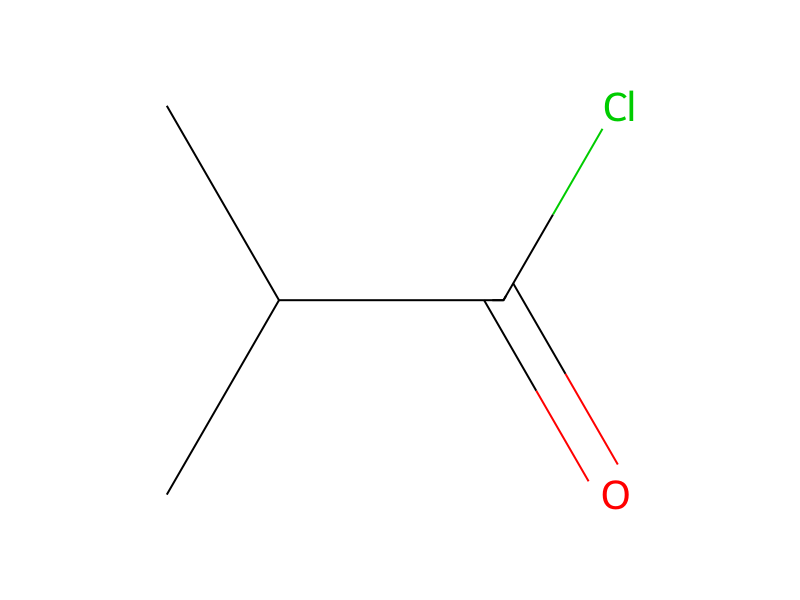
[Cl:1][C:2]1[C:3]([C:9]2[C:18]([OH:19])=[N:17][C:12]3=[N:13][CH:14]=[CH:15][N:16]=[C:11]3[C:10]=2[OH:20])=[N:4][CH:5]=[C:6]([Cl:8])[CH:7]=1.N1C=CC=CC=1.[C:27](Cl)(=[O:31])[CH:28]([CH3:30])[CH3:29].O>ClCCl>[Cl:1][C:2]1[C:3]([C:9]2[C:18](=[O:19])[NH:17][C:12]3=[N:13][CH:14]=[CH:15][N:16]=[C:11]3[C:10]=2[O:20][C:27](=[O:31])[CH:28]([CH3:30])[CH3:29])=[N:4][CH:5]=[C:6]([Cl:8])[CH:7]=17-(3,5-Dichloro-pyrid-2-yl)-pyrido[2,3-b]pyrazine-6,8-diol (Example 1.2) (1.6 g) was dissolved in dichloromethane (50 ml) containing pyridine (0.445 g) and the reaction mixture stirred for 10 minutes. Isobutyryl chloride (0.556 g) was added dropwise over 5 minutes and the reaction mixture stirred for two hours. Water was added and the mixture extracted with ethyl acetate. The phases were separated and the organic fraction was washed with aqueous sodium carbonate (1M). The organic fraction was dried over sodium sulfate and concentrated to give a pale yellow solid which was recrystallized from ethyl acetate/hexane to give Compound No. A5 of Table A (1.02 g).