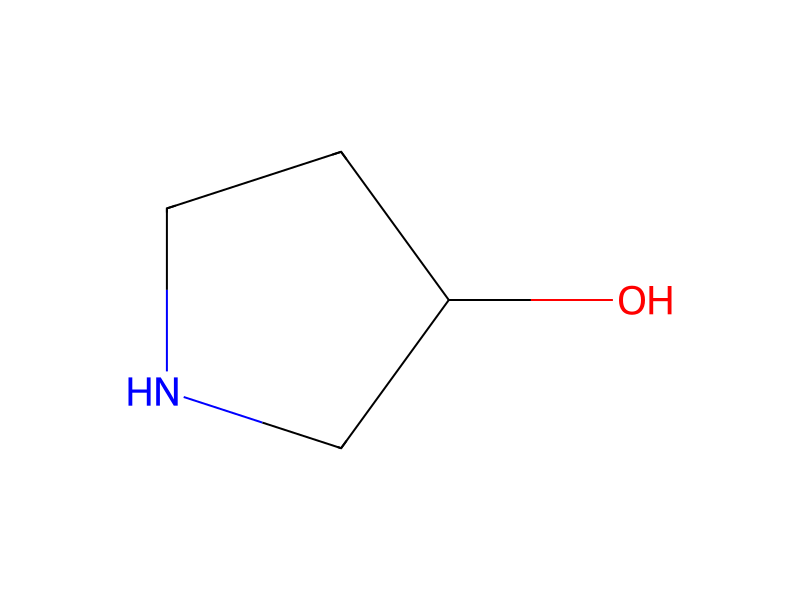
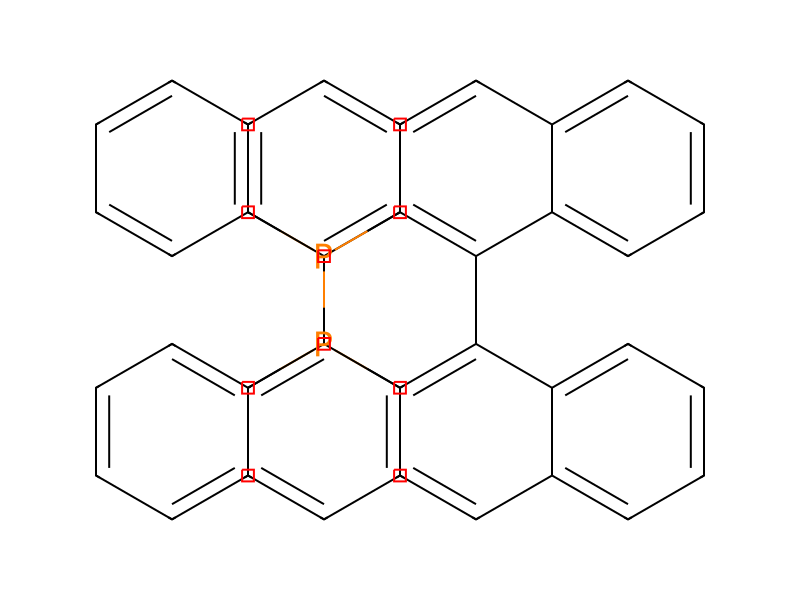
Br[C:2]1[CH:7]=[C:6]([C:8]([F:11])([F:10])[F:9])[CH:5]=[CH:4][C:3]=1[F:12].[OH:13][CH:14]1[CH2:18][CH2:17][NH:16][CH2:15]1.C1(P(C2C=CC=CC=2)C2C=CC3C(=CC=CC=3)C=2C2C3C(=CC=CC=3)C=CC=2P(C2C=CC=CC=2)C2C=CC=CC=2)C=CC=CC=1.C(=O)([O-])[O-].[Cs+].[Cs+]>C1(C)C=CC=CC=1.C([O-])(=O)C.[Pd+2].C([O-])(=O)C.O>[F:12][C:3]1[CH:4]=[CH:5][C:6]([C:8]([F:11])([F:10])[F:9])=[CH:7][C:2]=1[N:16]1[CH2:17][CH2:18][CH:14]([OH:13])[CH2:15]1A solution of 2-bromo-1-fluoro-4-(trifluoromethyl)benzene (4.6 g), 3-hydroxypyrrolidine (1.5 g), palladium(II) acetate (193 mg), (±)-2,2′-bis(diphenylphosphino)-1,1′-binaphthyl (1.07 g) and cesium carbonate (16.8 g) in toluene (90 ml) was stirred under an argon gas atmosphere at 85° C. for 16 hr. After cooling to room temperature, water was added to the reaction mixture, and the mixture was extracted with ethyl acetate. The organic layer was washed with saturated brine, dried over anhydrous magnesium sulfate, and filtered. The filtrate was concentrated, and the residue was purified by silica gel column chromatography (hexane/ethyl acetate 90:10-65:35) to give the title compound (2.12 g, yield 49%) as a brown oil.