Perchloric Acid → (S)-2-(5-bromo-2,7-dimethylquinolin-6-yl)-2-tert-butoxyethyl pivalate
HRID 2207033
Reaction equation

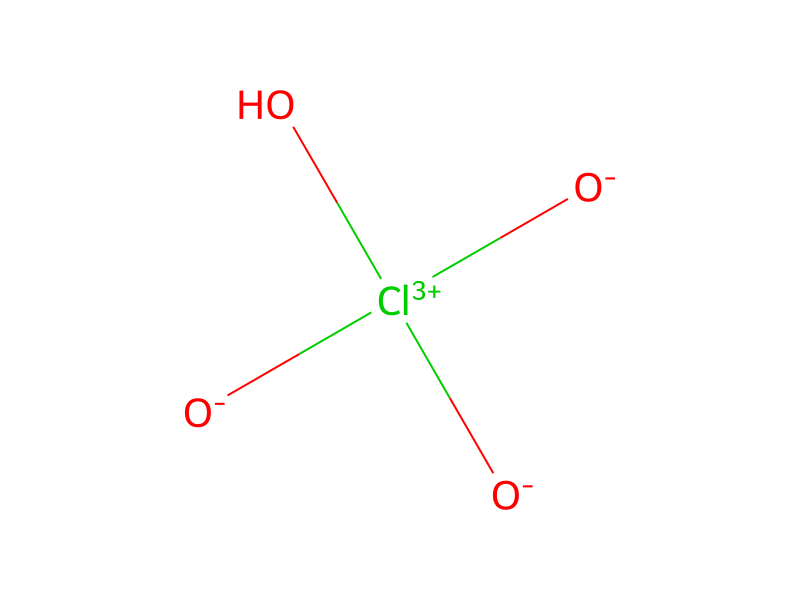
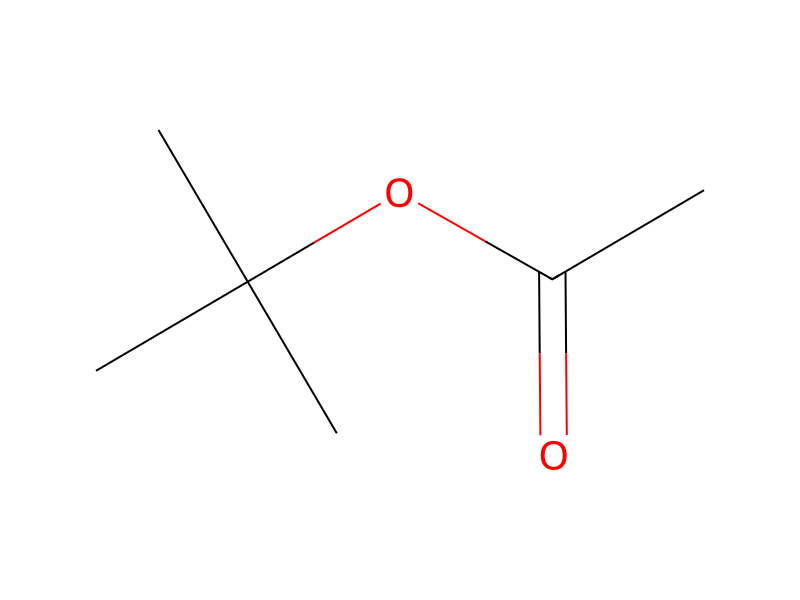
[C:1]([O:7][CH2:8][C@H:9]([C:11]1[C:12]([Br:23])=[C:13]2[C:18](=[CH:19][C:20]=1[CH3:21])[N:17]=[C:16]([CH3:22])[CH:15]=[CH:14]2)[OH:10])(=[O:6])[C:2]([CH3:5])([CH3:4])[CH3:3].Cl(O)(=O)(=O)=O>C(OC(=O)C)(C)(C)C>[C:1]([O:7][CH2:8][C@H:9]([C:11]1[C:12]([Br:23])=[C:13]2[C:18](=[CH:19][C:20]=1[CH3:21])[N:17]=[C:16]([CH3:22])[CH:15]=[CH:14]2)[O:10][C:2]([CH3:4])([CH3:3])[CH3:1])(=[O:6])[C:2]([CH3:5])([CH3:4])[CH3:3]Participants
4


Procedure
To a stirred solution of (S)-2-(5-bromo-2,7-dimethylquinolin-6-yl)-2-hydroxyethyl pivalate (330 mg, 0.87 mmol) in t-butylacetate (10 mL) was added perchloric acid (0.3 mL, 3.5 mmol) at 0° C. The mixture was stirred at room temperature for 2 hours, quenched with slowly addition of NaHCO3 solution. The mixture was extracted with ethyl acetate. The organic layer was washed with brine, dried and concentrated in vacuo. The obtained residue was purified by flash chromatography to provide the desired product. LCMS-ESI+: calc'd for C22H30BrNO3: 436.1 (M+H+); Found: 436.2 (M+H+).