Reaction equation
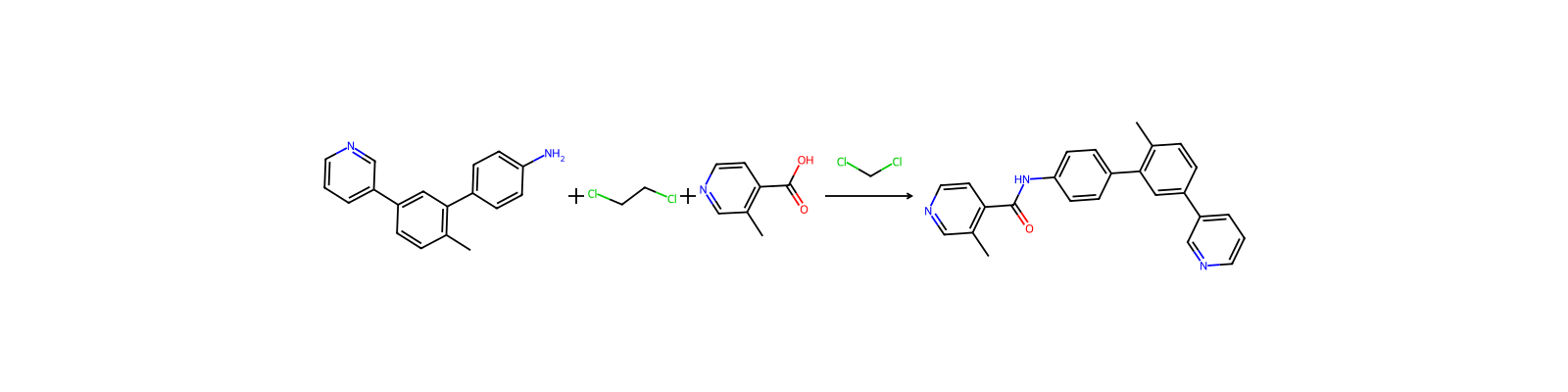
[CH3:1][C:2]1[CH:7]=[CH:6][C:5]([C:8]2[CH:9]=[N:10][CH:11]=[CH:12][CH:13]=2)=[CH:4][C:3]=1[C:14]1[CH:19]=[CH:18][C:17]([NH2:20])=[CH:16][CH:15]=1.C(Cl)CCl.[CH3:25][C:26]1[CH:34]=[N:33][CH:32]=[CH:31][C:27]=1[C:28](O)=[O:29]>C(Cl)Cl>[CH3:25][C:26]1[CH:34]=[N:33][CH:32]=[CH:31][C:27]=1[C:28]([NH:20][C:17]1[CH:16]=[CH:15][C:14]([C:3]2[CH:4]=[C:5]([C:8]3[CH:9]=[N:10][CH:11]=[CH:12][CH:13]=3)[CH:6]=[CH:7][C:2]=2[CH3:1])=[CH:19][CH:18]=1)=[O:29]Participants
5




Procedure
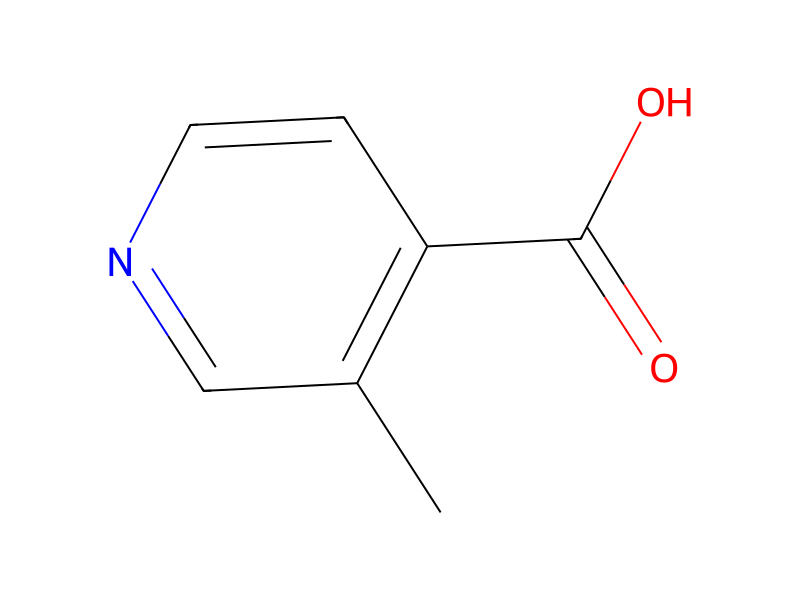
Amide Coupling Reaction: To a solution of 2′-methyl-5′-(pyridin-3-yl)biphenyl-4-amine n (40 mg, 0.15 mmol) in DCM (3 mL) was added EDC (85 mg, 0.45 mmol) and 3-methylisonicotinic acid (40 mg, 0.3 mmol). The solution was stirred at room temperature for 6 hr before it was concentrated and chromatographied to give Compound 20 (50 mg, 88%).
Workup
- concentrationwas concentrated
Sources & evidence
- ORD record
- ord-5c55252fea5048a0b18958b4ccbb0a6b
- Source dataset
- uspto-grants-2012_06
- Patent number
- US08202999B2
Linked notes
Loading…