HomeMCPWorkbenchSkills
HomeWorkbenchNotificationsMe
llms.txt · MCP GuidePrivacy Policy · Terms of Service · Supportv1.8.3
  1. Home
  2. /Reaction

Acetic Acid → Methyl 5-chloro-3-(ethyl(1,4-dioxaspiro[4.5]decan-8-yl)amino)-2-methylbenzoate

HRID 2208931
Print

Reaction equation

HRID 2208931 reaction equation
[O:1]1[C:5]2([CH2:10][CH2:9][CH:8]([NH:11][C:12]3[C:13]([CH3:23])=[C:14]([CH:19]=[C:20]([Cl:22])[CH:21]=3)[C:15]([O:17][CH3:18])=[O:16])[CH2:7][CH2:6]2)[O:4][CH2:3][CH2:2]1.[CH:24](=O)[CH3:25].C(O)(=O)C.C(O[BH-](OC(=O)C)OC(=O)C)(=O)C.[Na+]>ClC(Cl)C>[Cl:22][C:20]1[CH:21]=[C:12]([N:11]([CH2:24][CH3:25])[CH:8]2[CH2:9][CH2:10][C:5]3([O:4][CH2:3][CH2:2][O:1]3)[CH2:6][CH2:7]2)[C:13]([CH3:23])=[C:14]([CH:19]=1)[C:15]([O:17][CH3:18])=[O:16]
ParticipantsProcedureWorkupSources & evidenceReaction notes

Participants

6

Reactant 4

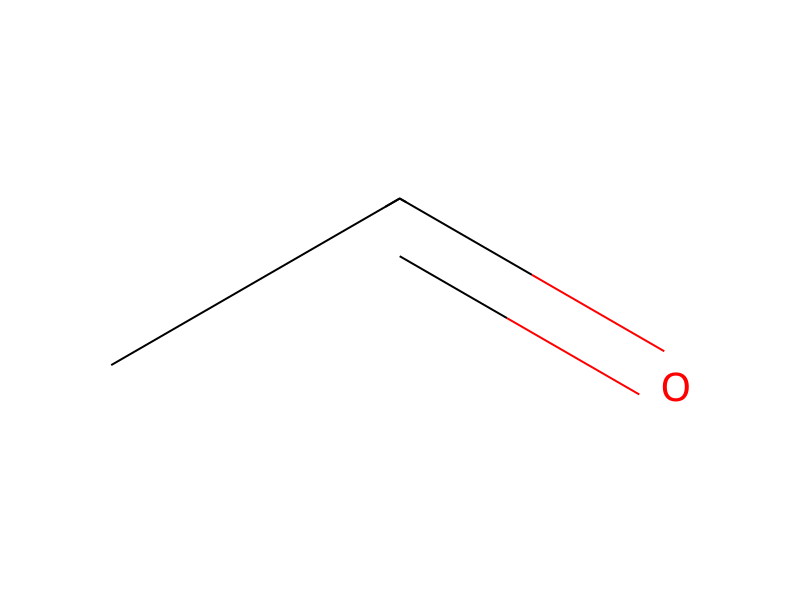
HCID 176Acetic AcidHCID 177AcetaldehydeHCID 5049666Sodium triacetoxyborohydrideHCID 70874896HCID 70874896, compound

Product 1

HCID 70874239Methyl 5-chloro-3-(ethyl(1,4-dioxaspiro[4.5]decan-8-yl)amino)-2-methylbenzoateYield 57.2%

Reagents, catalysts & solvents 1

HCID 6365
1,1-Dichloroethane
Solvent

Procedure

To a stirred solution of methyl 3-(1,4-dioxaspiro[4.5]decan-8-ylamino)-5-chloro-2-methylbenzoate (6.6 g, 19 mmol) and acetaldehyde (2.56 g, 58.4 mmol) in dichloroethane (70 mL) was added acetic acid (7.0 g, 120 mmol) and the reaction mixture stirred at room temperature for 10 minutes. Then sodium triacetoxyborohydride (12 g, 57 mmol) was added at 0° C. and the reaction stirred overnight at room temperature. On completion, the reaction was quenched with aqueous sodium bicarbonate, the organic phase separated and the aqueous phase extracted with dichloromethane. The combined organic layers were dried over anhydrous sodium sulphate and concentrated under reduced pressure. The residue was purified by silica gel column chromatography to afford the title compound (4.0 g, 56%).

Workup

  1. stirringthe reaction stirred overnight at room temperature
  2. customOn completion, the reaction was quenched with aqueous sodium bicarbonate
  3. customthe organic phase separated
  4. extractionthe aqueous phase extracted with dichloromethane
  5. dry with materialThe combined organic layers were dried over anhydrous sodium sulphate
  6. concentrationconcentrated under reduced pressure
  7. customThe residue was purified by silica gel column chromatography

Sources & evidence

ORD record
ord-c0ac68c79a694042a4e5ebabd9e80077
Source dataset
uspto-grants-2016_06
DOI
10.6084/m9.figshare.5104873.v1
Patent number
US09376422B2

Reaction notes

On this pageParticipantsProcedureWorkupSources & evidenceReaction notes