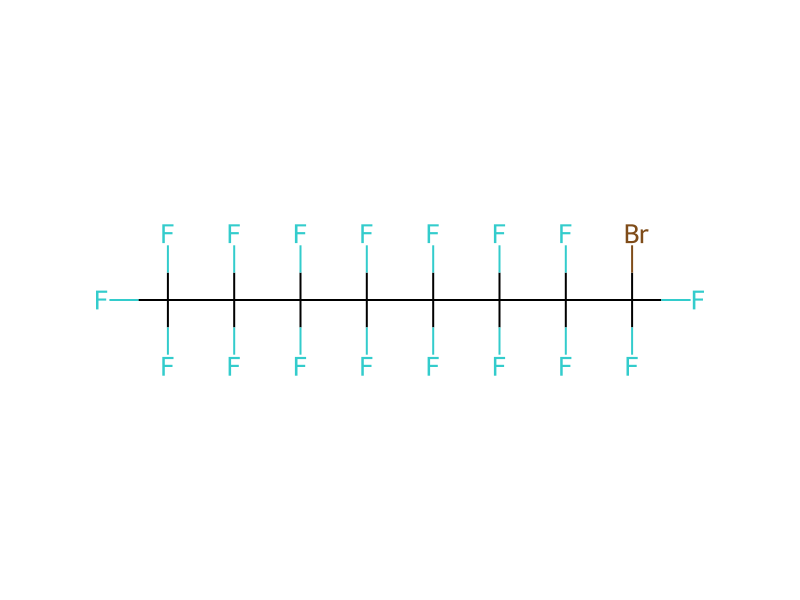
Bromine → Perfluorooctyl bromide
HRID 2209863
Reaction equation

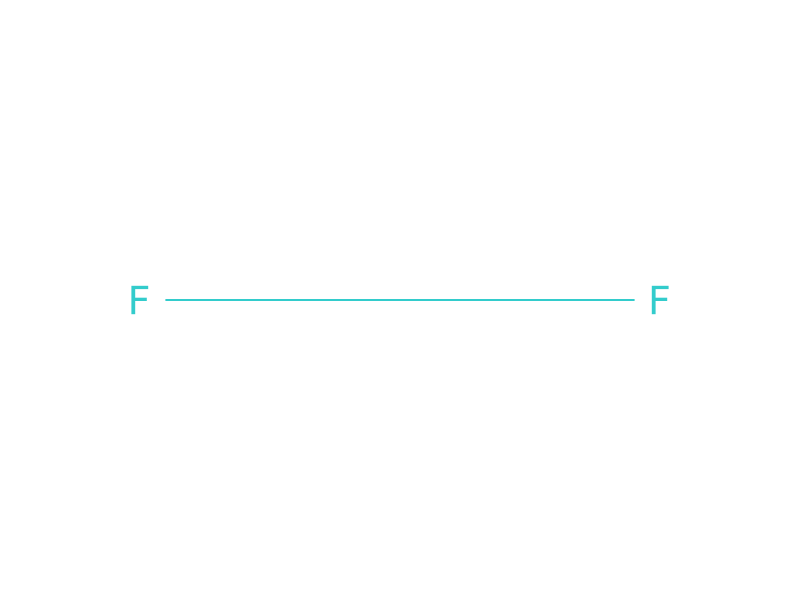
[F:1][C:2]([F:28])([C:6]([F:27])([F:26])[C:7]([F:25])([F:24])[C:8]([F:23])([F:22])[C:9]([F:21])([F:20])[C:10]([F:19])([F:18])[C:11]([F:17])([F:16])[C:12]([F:15])([F:14])[F:13])C(O)=O.[Br:29]Br.FF>>[F:1][C:2]([Br:29])([F:28])[C:6]([F:27])([F:26])[C:7]([F:25])([F:24])[C:8]([F:23])([F:22])[C:9]([F:21])([F:20])[C:10]([F:19])([F:18])[C:11]([F:17])([F:16])[C:12]([F:15])([F:14])[F:13]Participants
4


Procedure
Perfluorononanoic acid 100 g (0.215 mole), bromine 21.0 g (0.129 mole) and Freon 113 (500 ml) were mixed in the plastic reactor. The mixture was treated with fluorine in the same manner as described in Example 1. Approximately 1.7 fold excess fluorine was used, producing 92 grams of perfluorooctyl bromide (86% yield). Thus, using approximately half the amount of bromine as used in Example 1 produced a lower yield of the perfluoroalkyl halide.