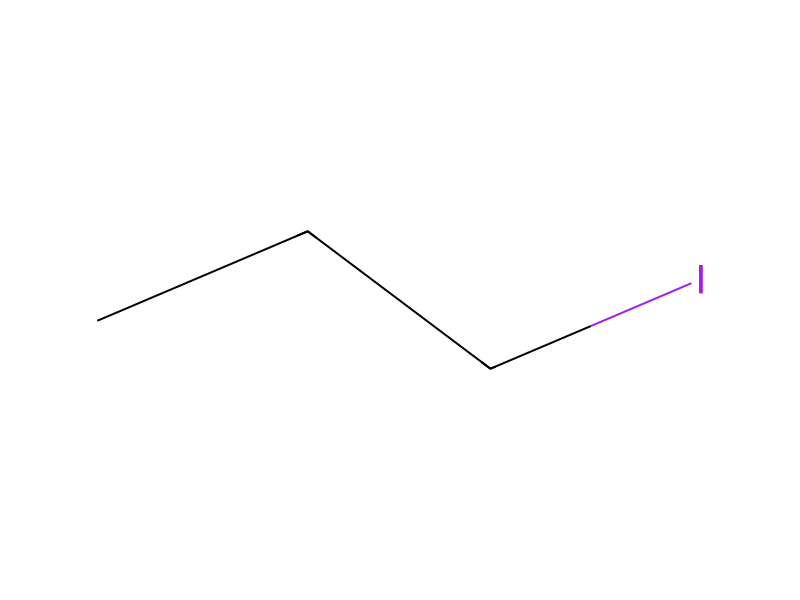
A mixture of powdered potassium hydroxide (1.26 g, 22.38 mmol) in DMSO (40 mL) was stirred at 0° C. for 10 min. 7-bromo-4,4,6-trimethyl-3,4- dihydro-1H-quinoline-2-one (Example 1e) (3.0 g, 11.19 mmol) was added cautiously, followed immediately by the addition of 1-iodopropane (5.5 mL, 55.95 mmol). The reaction mixture was warmed up to room temperature and stirred overnight at room temperature. The reaction mixture was poured into water and extracted with dichloromethane washed with water and brine, dried (MgSO4), filtered and evaporated to give 4.0 g of 7-bromo-1-propyl-4,4,6-trimethyl-3,4-dihydro-1H-quinoline-2-one and used without further purification in the Suzuki coupling (step a). 1H NMR (300 MHz; CDCl3): 0.98 (t, J=7.5 Hz,1 H), 1.26 (s, 6 H), 1.65 (t, J=7.5 Hz, 1 H), 2.37 (s, 3 H), 2.46 (s, 2 H), 3.88 (t, J=7.8 Hz, 2 H), 7.13 (s, 1 H), 7.15 (s, 1 H).