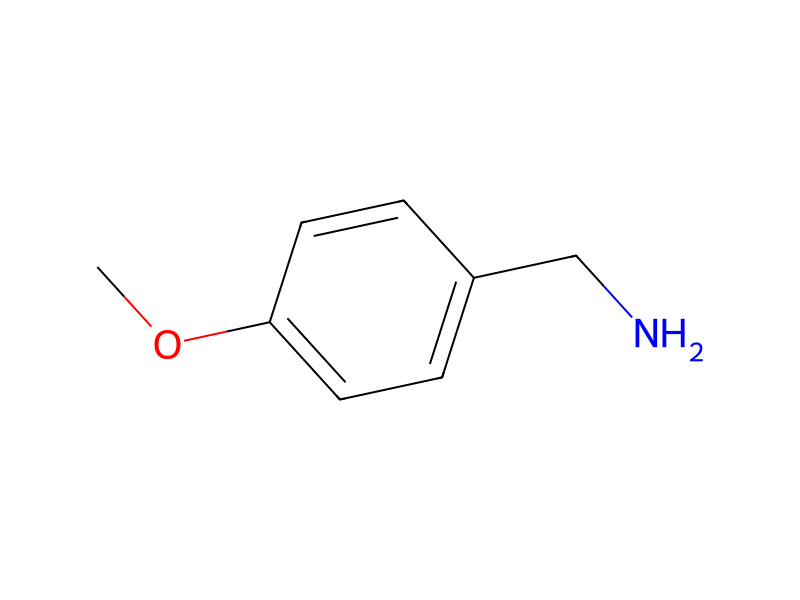
[Cl:1][C:2]1[N:10]=[C:9]2[C:5]([NH:6][CH:7]=[N:8]2)=[C:4](Cl)[N:3]=1.[CH3:12][O:13][C:14]1[CH:21]=[CH:20][C:17]([CH2:18][NH2:19])=[CH:16][CH:15]=1.[OH-].[Na+]>C(O)CCC>[Cl:1][C:2]1[N:10]=[C:9]2[C:5]([NH:6][CH:7]=[N:8]2)=[C:4]([NH:19][CH2:18][C:17]2[CH:20]=[CH:21][C:14]([O:13][CH3:12])=[CH:15][CH:16]=2)[N:3]=1The 2,6-dichloropurine (4.06 g, 21.5 mmol) was suspended in n-butanol (150 ml) and the 4-methoxybenzylamine was added (3.4 ml, 26 mmol). The solution turned clear and then cloudy a few minutes later. The solution was heated at 120° C. for 2 hr and then cooled. The n-butanol was evaporated followed by suspension of the residue in water and diethyl ether mixture. A solution of 2N NaOH (1.3 ml, 26 mmol) was added and the solution stirred for 10 min before filtration. The filtered precipitate was washed with water and a small portion of ether and then dried under vacuum. The residual liquor was left overnight and more crystals were collected the next day and washed with diethyl ether.