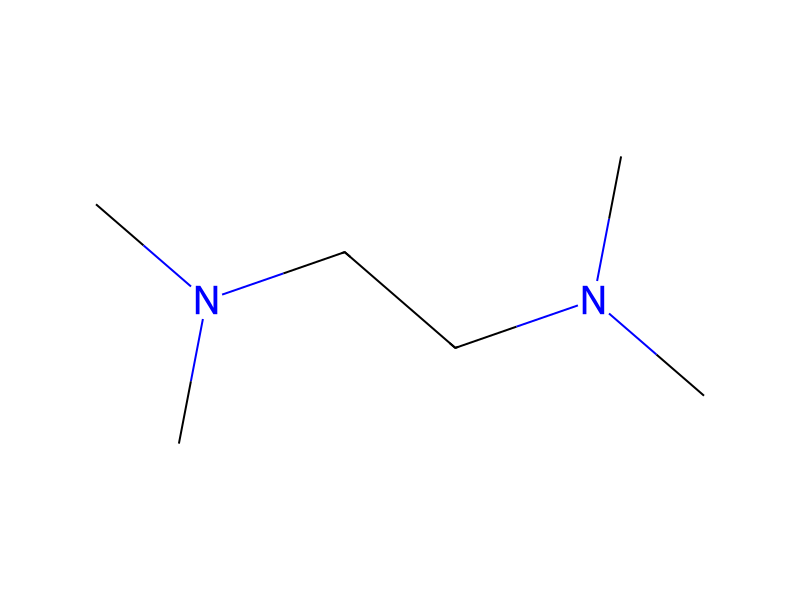
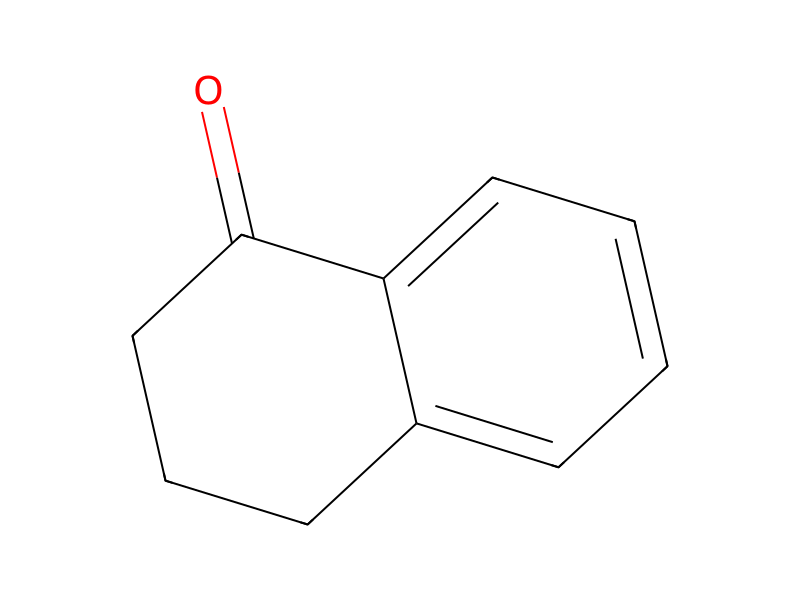
[CH2:1]([Li])[CH2:2][CH2:3][CH3:4].[CH3:6][CH2:7][CH2:8]CCC.CN(CCN(C)C)C.[C:20]1(=O)[C:29]2[C:24](=[CH:25]C=CC=2)[CH2:23][CH2:22][CH2:21]1.C([C:33]12[C:43](C(C)C)=[CH:42][CH:41]=[CH:40][CH:39]1[NH:38][C:37](=O)[O:36][C:34]2=O)C>C1COCC1.[Cl-].[NH4+]>[CH2:3]([C:2]1[CH:1]=[CH:25][C:24]2[CH2:29][CH2:20][C:21]3[C:34](=[O:36])[C:33]4[CH:43]=[C:42]([CH:7]([CH3:8])[CH3:6])[CH:41]=[CH:40][C:39]=4[NH:38][C:37]=3[C:23]=2[CH:22]=1)[CH3:4]To a 1.6M solution of n-butyl lithium in hexane (1.6 mL, 2.6 mmol) was added TMEDA (0.4 mL, 2.6 mmol) under argon atmosphere at room temperature with stirring. To this was added with ice cooling a solution of 1-tetralone (0.38 g, 2.6 mmol) in anhydrous THF followed by stirring for 1 hour under ice cooling. Thereafter, a solution of 1-ethyl-6-i-propylisatoic anhydride (0.3 g, 1.3 mmol) in anhydrous THF was added dropwise followed by stirring at room temperature for 1.5 hours. The reaction mixture was diluted with saturated aqueous solution of ammonium chloride. The organic layer was separated and concentrated under reduced pressure. The residue was dissolved in ethyl acetate, washed with saturated sodium chloride solution and dried with sodium sulfate. After removing the solvent, the residue was purified by silica gel-chromatography (chloroform) followed by crystallization from petroleum ether to give the desired compound. 1H-NMR (CDCl3) δ 1.15 (3H, t, NCH2CH3), 1.33 (6H, d, CH(CH3)2), 2.79-2.86 (4H, m, CH2CH2), 3.07 (1H, septet, CH), 4.62 (2H, q, NCH2), 7.32-7.60 (6H, m, Ar—H), 8.33 (1H, d, H-8)