HomeMCPWorkbenchSkills
HomeWorkbenchNotificationsMe
llms.txt · MCP GuidePrivacy Policy · Terms of Service · Supportv1.8.0
  1. Home
  2. /Reaction

Sodium Hydroxide → 2-Amino-5-(benzyloxy)-4-methoxybenzonitrile

HRID 2228487
Notes
Print preview

Reaction equation

HRID 2228487 reaction equation
[CH2:1]([O:8][C:9]1[C:10]([O:20][CH3:21])=[CH:11][C:12]([N+:17]([O-])=O)=[C:13]([CH:16]=1)[C:14]#[N:15])[C:2]1[CH:7]=[CH:6][CH:5]=[CH:4][CH:3]=1.O.S(S([O-])=O)([O-])=O.[Na+].[Na+].[OH-].[Na+]>ClCCl.[Cl-].C([N+](CCCC)(CCCC)CCCC)CCC.O>[NH2:17][C:12]1[CH:11]=[C:10]([O:20][CH3:21])[C:9]([O:8][CH2:1][C:2]2[CH:7]=[CH:6][CH:5]=[CH:4][CH:3]=2)=[CH:16][C:13]=1[C:14]#[N:15]
ParticipantsProcedureWorkupSources & evidenceReaction notes

Participants

7

Reactant 3

HCID 14798Sodium HydroxideHCID 110333845-(Benzyloxy)-4-methoxy-2-nitrobenzonitrileHCID 22707037Sodium dithionite hydrate2×

Product 1

HCID 110759942-Amino-5-(benzyloxy)-4-methoxybenzonitrile

Reagents, catalysts & solvents 3

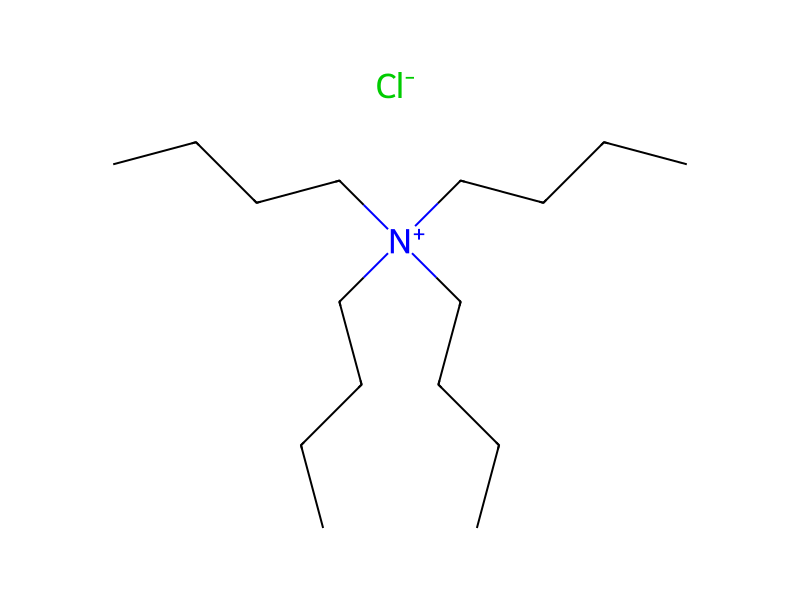
HCID 70681Tetrabutylammonium ChlorideCatalyst
HCID 962
Water
Solvent
HCID 6344DichloromethaneSolvent

Procedure

To a solution of 5-benzyloxy-4-methoxy-2-nitro-benzonitrile (35.0 g, 0.12 mol) in dichloromethane (500 ml) was added tetra-n-butylammonium chloride (20.3 g, 0.074 mol) followed by a solution of sodium dithionite hydrate (118.0 g, 0.61 mol) in H2O (400 ml) and the mixture was stirred vigorously for 2 hours at room temperature. A further quantity of sodium dithionite hydrate (47.2 g) was then added and stirring continued for 1 hour. The reaction mixture was then basified with 2N aqueous sodium hydroxide and the phases separated. The aqueous layer was extracted twice more with dichloromethane and the combined organic layers dried over MgSO4 and concentrated under reduced pressure to a volume of 60 ml. Treatment with excess ethereal hydrogen chloride led to the precipitation of an orange solid which was washed with diethyl ether and then dissolved in a mixture of dichloromethane and 2N aqueous sodium hydroxide. The phases were separated and the organic layer concentrated under reduced pressure and then dissolved in ethyl acetate and passed through a 5 cm plug of silica gel, eluting with ethyl acetate. On evaporation and drying under reduced pressure, the subtitle compound was obtained as a yellow solid (26.7 g, 85%). Rf 0.76 (0.880 aqueous ammonia:methanol:dichloromethane 1:10:90, v/v). MS m/z 255 (MH)+.


Workup

  1. stirringstirring
  2. waitcontinued for 1 hour
  3. customthe phases separated
  4. extractionThe aqueous layer was extracted twice more with dichloromethane
  5. dry with materialthe combined organic layers dried over MgSO4
  6. concentrationconcentrated under reduced pressure to a volume of 60 ml
  7. customTreatment with excess ethereal hydrogen chloride led to the precipitation of an orange solid which
  8. washwas washed with diethyl ether
  9. dissolutiondissolved in a mixture of dichloromethane and 2N aqueous sodium hydroxide
  10. customThe phases were separated
  11. concentrationthe organic layer concentrated under reduced pressure
  12. dissolutiondissolved in ethyl acetate
  13. washeluting with ethyl acetate
  14. customOn evaporation
  15. customdrying under reduced pressure

Sources & evidence

ORD record
ord-47900eacec8c4ce0a51eee71352fb216
Source dataset
uspto-grants-2002_07
DOI
10.6084/m9.figshare.5104873.v1
Patent number
US06417194B1

Reaction notes

Loading…

On this pageParticipantsProcedureWorkupSources & evidenceReaction notes