HomeMCPSkillsWorkbenchOpenChem
HomeWorkbenchNotificationsMe
llms.txt · skill.md · MCP GuidePrivacy Policy · Terms of Service · Supportv1.8.5
  1. Home
  2. /Reaction

Water → N-(4-(Aminosulphonyl)phenyl)acrylamide

HRID 2229099
Print

Reaction equation

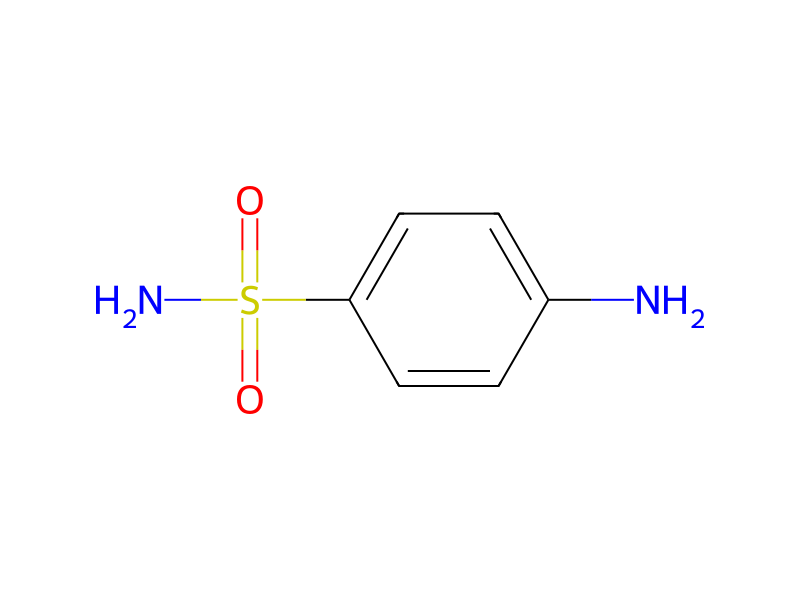
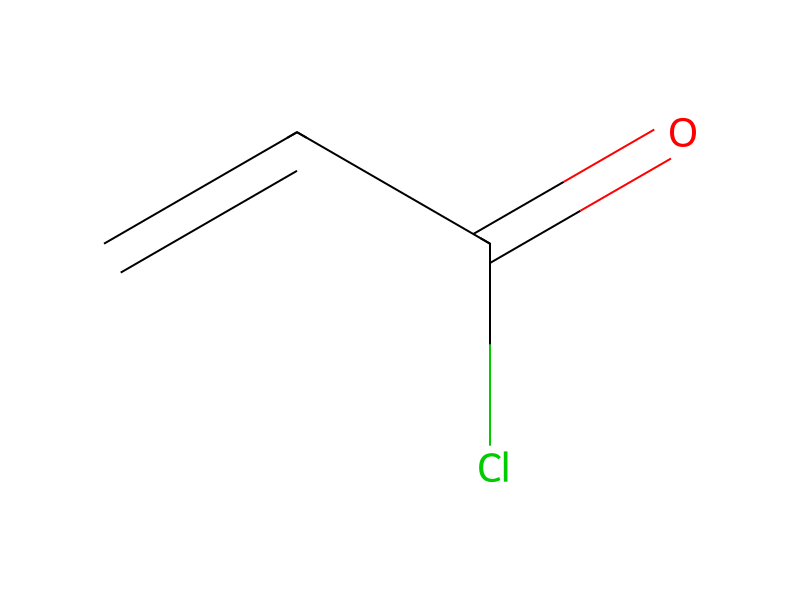
[NH2:1][C:2]1[CH:7]=[CH:6][C:5]([S:8]([NH2:11])(=[O:10])=[O:9])=[CH:4][CH:3]=1.[C:12](Cl)(=[O:15])[CH:13]=[CH2:14].O>O1CCCC1>[NH2:11][S:8]([C:5]1[CH:6]=[CH:7][C:2]([NH:1][C:12](=[O:15])[CH:13]=[CH2:14])=[CH:3][CH:4]=1)(=[O:9])=[O:10]
ParticipantsConditionsProcedureWorkupSources & evidenceReaction notes

Participants

5

Reactant 3

HCID 962WaterHCID 5333SulfanilamideHCID 13140Acryloyl chloride

Product 1

HCID 75803N-(4-(Aminosulphonyl)phenyl)acrylamide

Reagents, catalysts & solvents 1

HCID 8028TetrahydrofuranSolvent

Conditions

Temperature
0 °C

Procedure

In 100 mL of tetrahydrofuran was dissolved 17 g of p-aminobenzenesulfonamide. This solution was cooled to 0° C. on an ice bath. To this solution was dropwise added 5 g of acryloyl chloride. After completion of the addition, the ice bath was removed and the reaction mixture was warmed to room temperature and stirred for 1 hour. Subsequently, the reaction mixture was heated at 60° C. for 1 hour. After completion of the reaction, the reaction mixture was poured into 1 L of distilled water. Thus, N-(p-aminosulfonylphenyl)acrylamide was obtained as precipitated white particles.

Workup

  1. additionAfter completion of the addition
  2. customthe ice bath was removed
  3. temperaturethe reaction mixture was warmed to room temperature
  4. temperatureSubsequently, the reaction mixture was heated at 60° C. for 1 hour
  5. customAfter completion of the reaction

Sources & evidence

ORD record
ord-67cffc79fe1441e8b245d94d876f9fdf
Source dataset
uspto-grants-2002_07
DOI
10.6084/m9.figshare.5104873.v1
Patent number
US06420082B1

Reaction notes

On this pageParticipantsConditionsProcedureWorkupSources & evidenceReaction notes