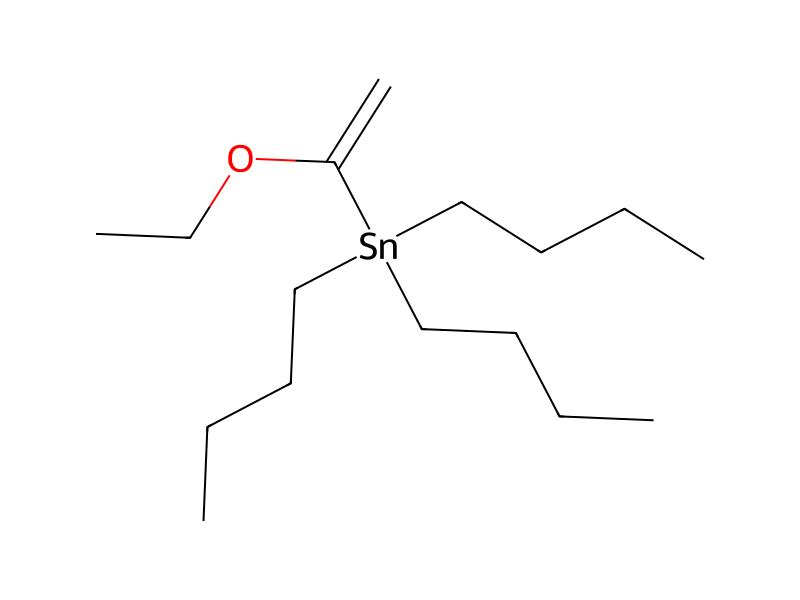
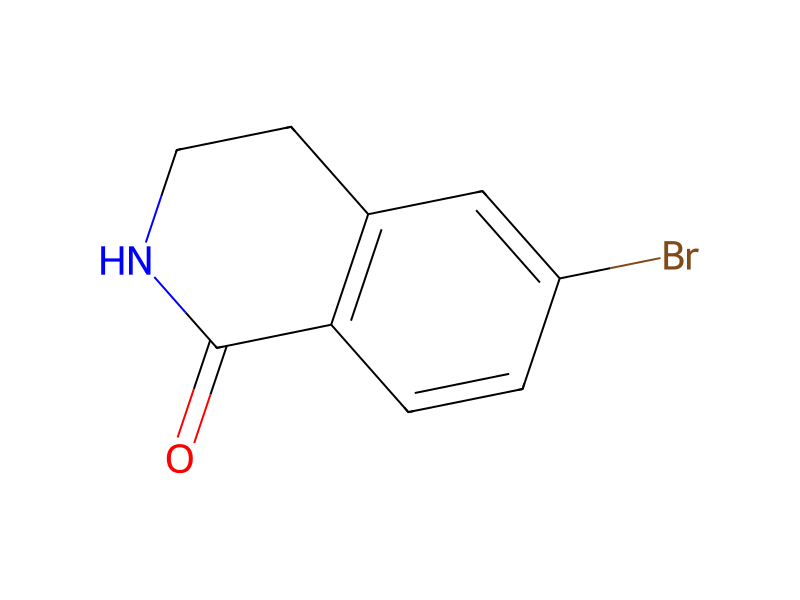
To a flask charged with 1.55 g of (PPh3)2PdCl2 and 5.0 g of 6-Bromo-3,4-dihydro-2H-isoquinolin-1-one was added 25 mL of DMF. Then 9.58 g of Tributyl-(1-ethoxy-vinyl)-stannane was added and the reaction mixture was heated to 110° C. and stirred until completion of the reaction. The reaction mixture was filtered over celite and diluted with diethyl ether. After washing with saturated ammonium carbonate, water and brine, the solution was dried over sodium sulfate, filtered and concentrated in vacuo. The resulting mixture dissolved in THF and treated with 3.0 M aqueous HCl to effect hydrolysis. The mixture was then partitioned between water and diethyl ether. The organic phase was washed sequentially with saturated sodium bicarbonate, water, and brine and then dried over sodium sulfate. After filtration, the solution was concentrated and purified by flash chromatography to afford the 3.28 g of 6-Acetyl-3,4-dihydro-2H-isoquinolin-1-one.