HomeMCPWorkbenchSkills
HomeWorkbenchNotificationsMe
llms.txt · MCP GuidePrivacy Policy · Terms of Service · Supportv1.8.3
  1. Home
  2. /Reaction

Bromine → 6-Bromo-8-methyl-2,4-dihydro-1h-3,1-benzoxazine-2,4-dione

HRID 2245823
Print

Reaction equation

HRID 2245823 reaction equation
[CH3:1][C:2]1[C:11]2[NH:10][C:9](=[O:12])[O:8][C:7](=[O:13])[C:6]=2[CH:5]=[CH:4][CH:3]=1.[Br:14]Br.C(=O)(O)[O-].[Na+]>ClS(O)(=O)=O.[I-].[K+]>[Br:14][C:4]1[CH:3]=[C:2]([CH3:1])[C:11]2[NH:10][C:9](=[O:12])[O:8][C:7](=[O:13])[C:6]=2[CH:5]=1
ParticipantsProcedureWorkupSources & evidenceReaction notes

Participants

6

Reactant 3

HCID 24408BromineHCID 516892Sodium BicarbonateHCID 27598708-methyl-2,4-dihydro-1H-3,1-benzoxazine-2,4-dione

Product 1

HCID 224932976-Bromo-8-methyl-2,4-dihydro-1h-3,1-benzoxazine-2,4-dioneYield 155.1%

Reagents, catalysts & solvents 2

HCID 4875Potassium IodideCatalyst
HCID 24638
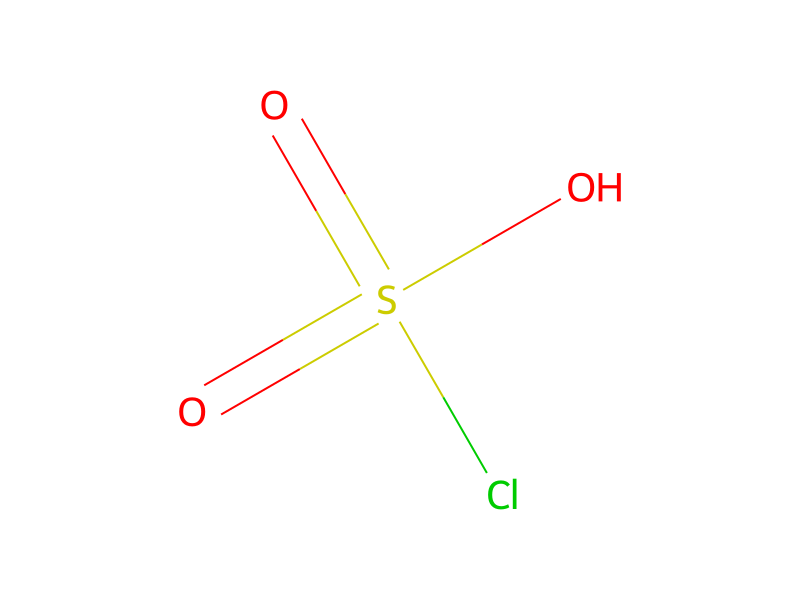
Chlorosulfonic acid
Solvent

Procedure

To a solution of 8-methyl-2H-3,1-benzoxazine-2,4(1H)-dione, (10.0 g, 56.5 mmol) and potassium iodide (0.36 g, 1.8 mmol) in chlorosulfonic acid (12 mL) was added bromine (4.6 g, 28.7 mmol). and the reaction was stirred overnight at room temperature. The reaction was then slowly poured onto ice water and neutralized with sodium bicarbonate powder to a pH of 7. The solids were filtered, rinsed with water and to afford the desired intermediate as a white solid (11.4 g).

Workup

  1. filtrationThe solids were filtered
  2. washrinsed with water

Sources & evidence

ORD record
ord-34a1125dda0f44c1ba0c3fd3c33b70d2
Source dataset
uspto-grants-2010_03
DOI
10.6084/m9.figshare.5104873.v1
Patent number
US07683201B2

Reaction notes

On this pageParticipantsProcedureWorkupSources & evidenceReaction notes