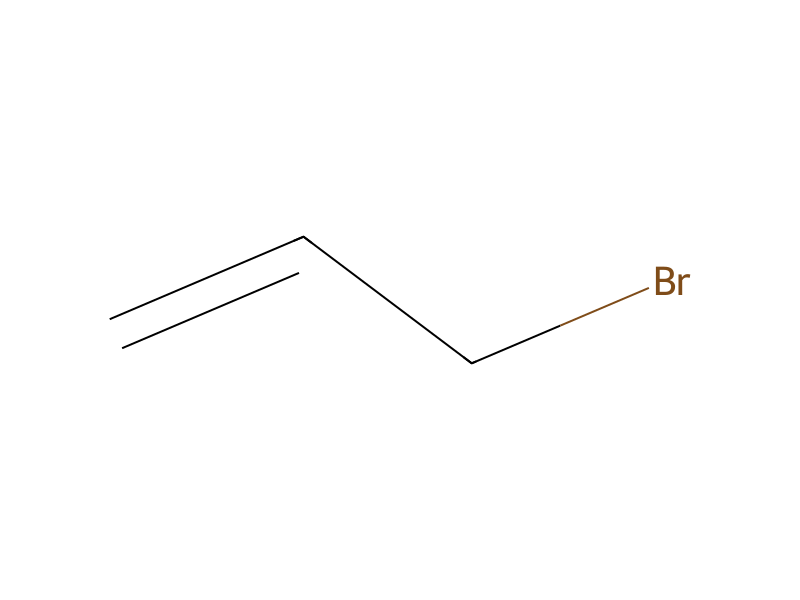
N-BOC-(R)-2-(3-bromo-4-hydroxybenzyl)morpholine, example 4, intermediate (a) (70 mg, 0.19 mmol) was dissolved in acetone (1.5 mL), treated with potassium carbonate (78 mg, 0.56 mmol) and allyl bromide (68 mg, 1.86 mmol) added. The resulting reaction was shaken at 55° C. for 16 hrs. The reaction was filtered and concentrated under a flow of nitrogen. The crude residue was dissolved in tetrahydrofuran (8 mL) with polymer supported diphenylphosphine (0.5 g) and shaken for 4 hrs. The reaction was then filtered and concentrated under a high flow of nitrogen. The crude residue was dissolved in TFA (20% v/v solution in dichloromethane, 2.5 mL) and shaken for 3 hrs at room temperature. The reaction mixture was added directly to an SCX-2 column (2 g) and washed with dichloromethane (2 mL×2) and methanol (2 mL×2). The SCX-2 column was then washed with ammonia (2N in methanol, 3×2 mL). Combined ammonia washes were concentrated in vacuo to yield the desired morpholine example 19 as a colorless oil (35 mg).