Reaction equation
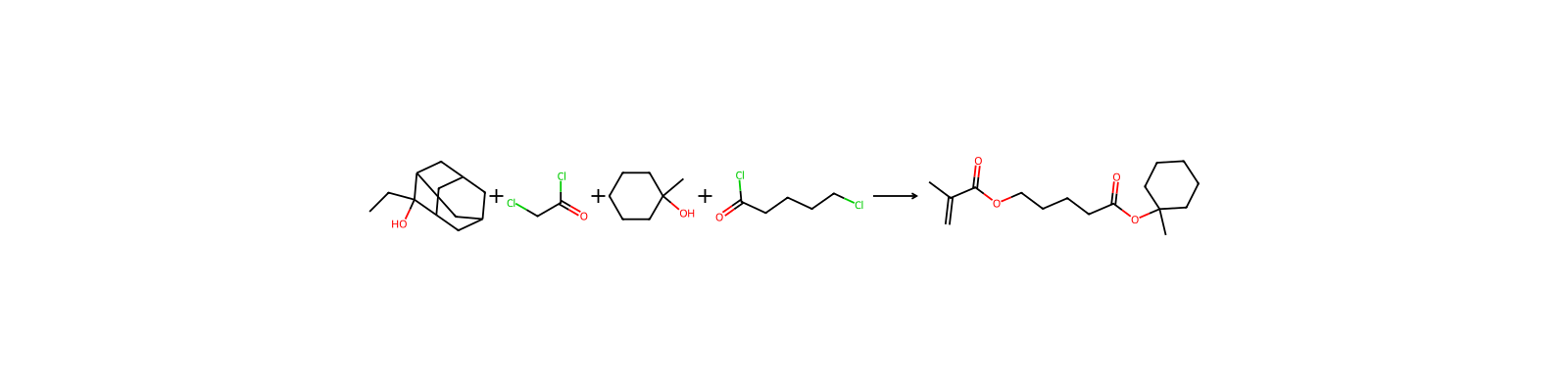
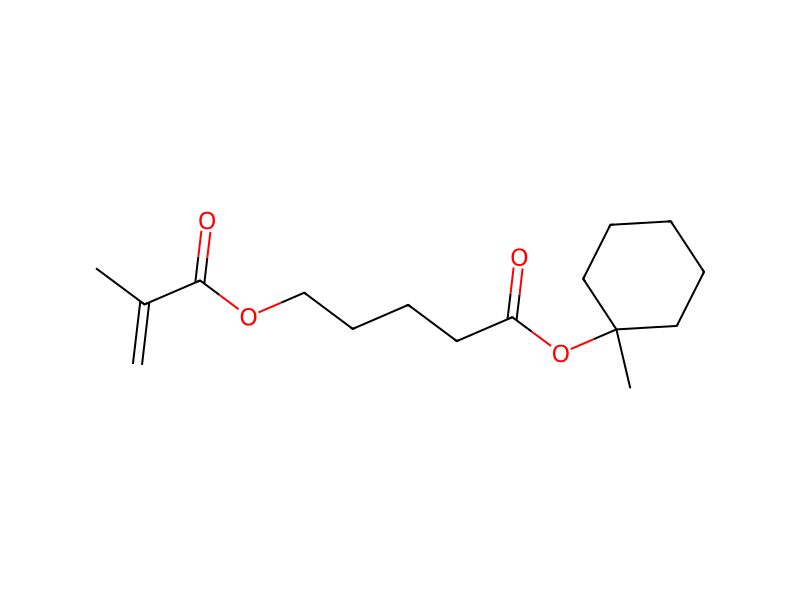
C([C:3]1([OH:13])[CH:10]2[CH2:11]C3CC(CC1C3)[CH2:9]2)C.ClCC(Cl)=[O:17].[CH3:19][C:20]1([OH:26])[CH2:25][CH2:24][CH2:23][CH2:22][CH2:21]1.Cl[CH2:28][CH2:29][CH2:30][CH2:31][C:32](Cl)=[O:33]>>[C:3]([O:13][CH2:28][CH2:29][CH2:30][CH2:31][C:32]([O:26][C:20]1([CH3:19])[CH2:25][CH2:24][CH2:23][CH2:22][CH2:21]1)=[O:33])(=[O:17])[C:10]([CH3:11])=[CH2:9]Participants
5

Procedure
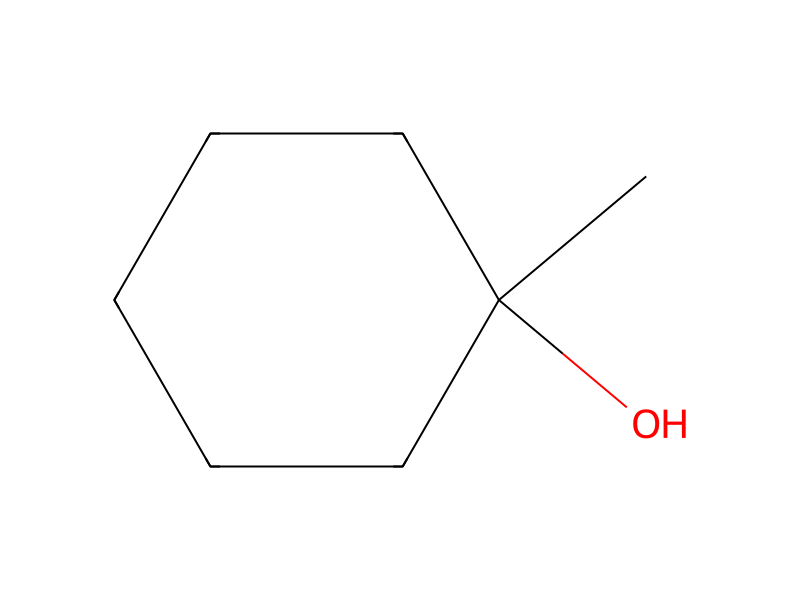
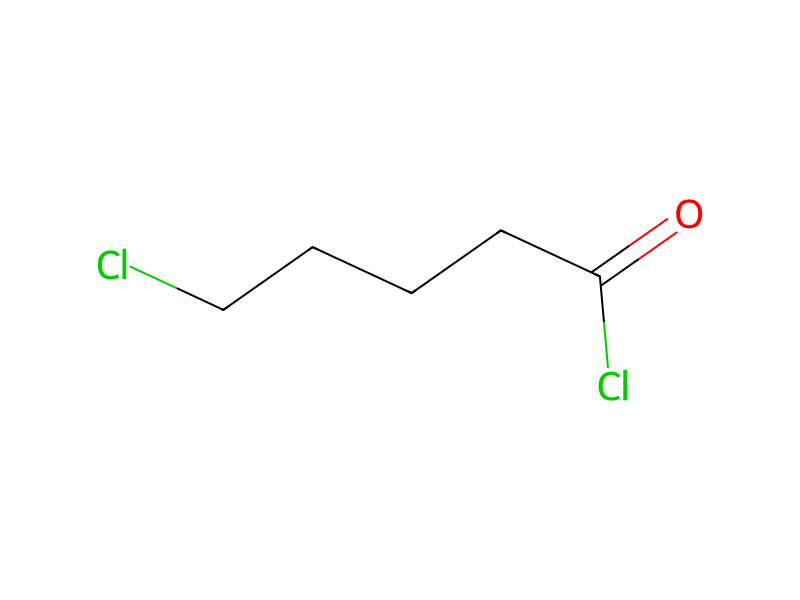
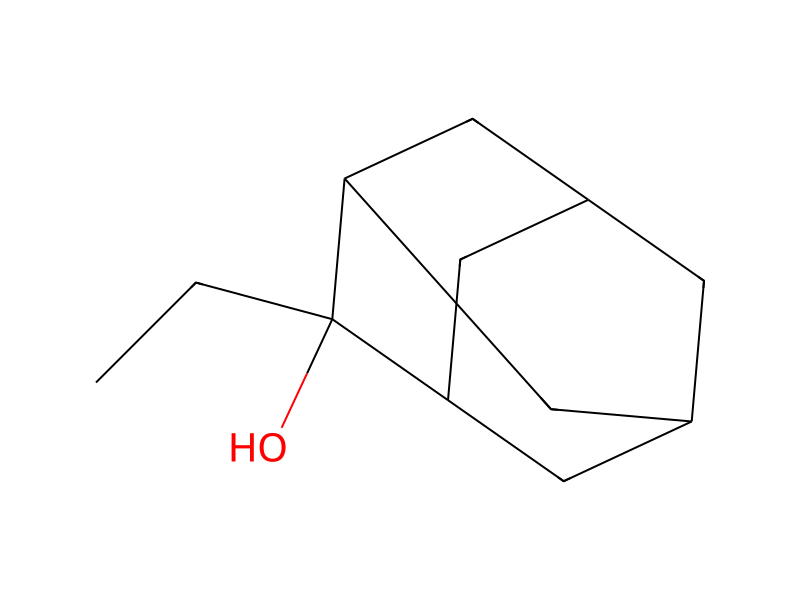
Synthetic experiment was conducted in the same manner as in Monomer Synthesis Example 1 except that 2-ethyl-2-adamantanol and chloroacetyl chloride were changed to 1-methyl-1-cyclohexanol and 5-chlorovaleryl chloride respectively, and the above described methacrylic derivative was obtained.
Workup
- customwas obtained
Sources & evidence
- ORD record
- ord-ac9b16c39a5b4fdcb9182afcd0c3091f
- Source dataset
- uspto-grants-2009_07
- Patent number
- US07556908B2
Linked notes
Loading…