Vinylidene chloride → Vinylidene chloride
HRID 2254500
Reaction equation

[C:1]([Cl:4])([Cl:3])=[CH2:2].[C:5]([O:8][CH:9]=C)(=[O:7])[CH3:6].C=C.[O-]P(OP([O-])([O-])=O)(=O)[O-]>>[C:1]([Cl:4])([Cl:3])=[CH2:2].[C:5]([O:8][CH3:9])(=[O:7])[CH:6]=[CH2:1]Participants
5


Procedure
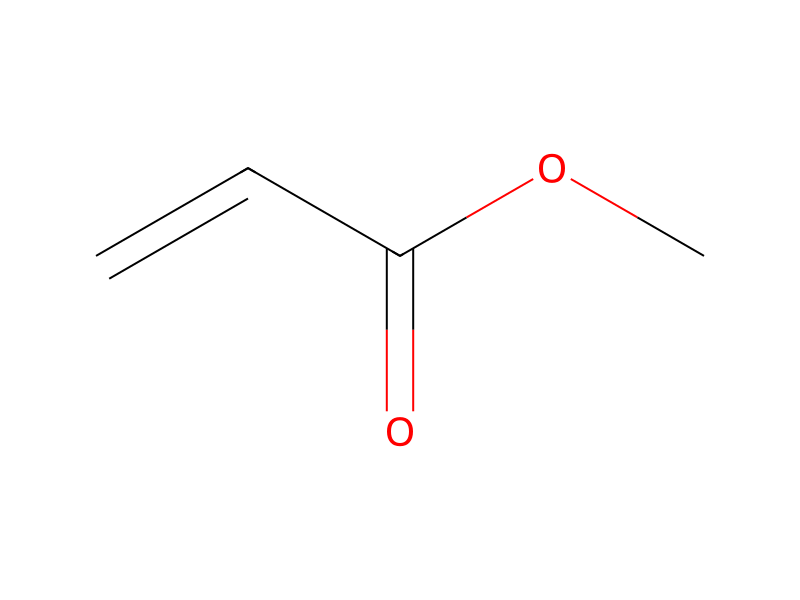
Examples 1-8 are repeated with the following exceptions. Instead of using the PVdC set forth in Table I, a pellet having the following composition is employed: the pellet contains about 96.5 weight percent of a vinylidene chloride interpolymer; about 1.5 weight percent ethylene vinyl acetate; about 1.2 weight percent tetrasodiuum pyrophosphate; and about 0.8 weight percent of epoxidized soybean oil. The vinylidene chloride interpolymer comprises from about 99.8 weight percent of a vinylidene chloride copolymer formed from a monomer mixture comprising 94 weight percent vinylidene chloride and about 6 weight percent methyl acrylate; and about 0.2 weight percent of epoxidized soybean oil. The vinylidene chloride copolymer has a major melting point of 165° C. and a weight average molecular weight of 90,000.