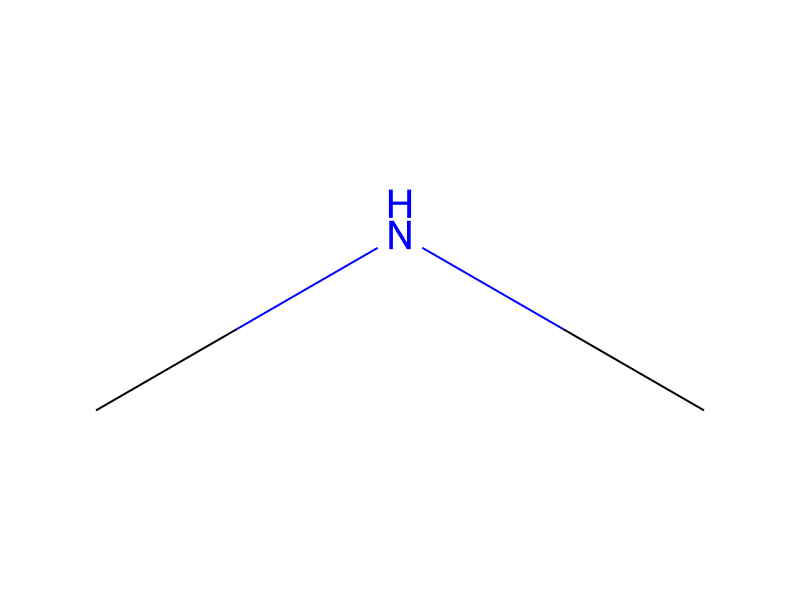
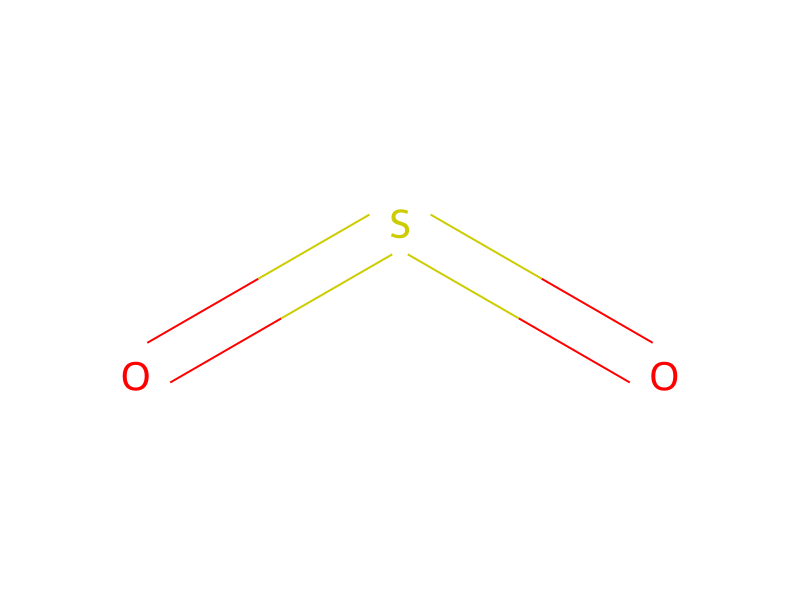
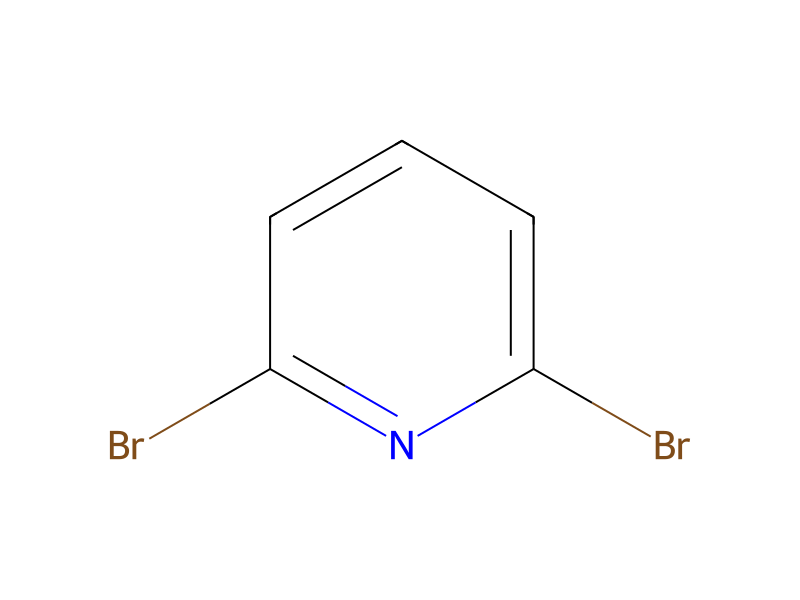
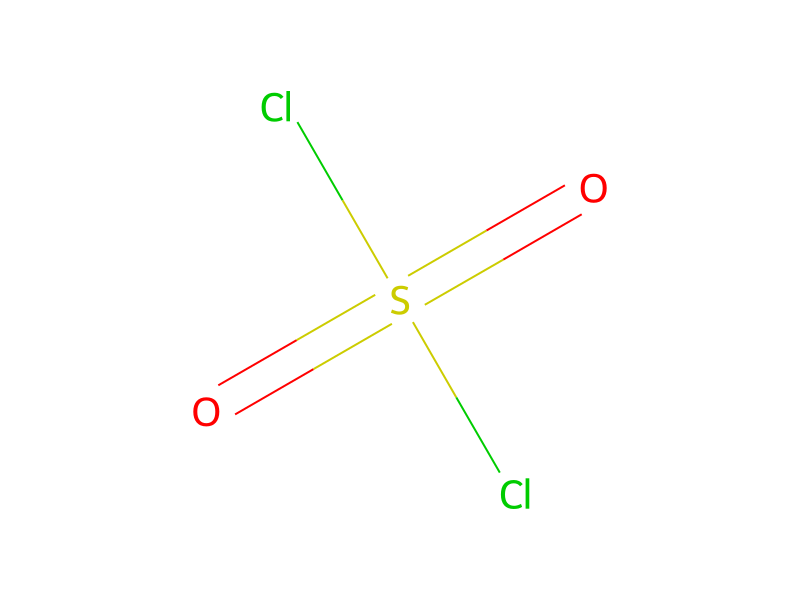
2,6-Dibromopyridine (12 g, 50 mmol) was dissolved in diethyl ether (150 mL) and the solution was cooled to −70° C. n-Butyl lithium (1.6M in hexane, 35 mL, 55 mmol) was added slowly and the solution was stirred for 15 minutes. Sulfur dioxide gas was then passed through the mixture until a pale yellow precipitate was produced. The reaction mixture was then warmed to room temperature and the solvent was evaporated under reduced pressure. The resulting residue was triturated with petroleum ether to afford the intermediate. The salt was then suspended in dichloromethane, cooled to −70° C. and sulfuryl chloride (75 mL, 93 mmol) was added slowly. The reaction mixture was stirred for 75 minutes and dimethylamine was then added until a basic pH was achieved. The mixture was washed with water and the organic solution was dried over magnesium sulfate and concentrated in vacuo. Trituration of the residue with dichloromethane and petroleum ether afforded the title compound as a white solid in 38% yield, 5.1 g