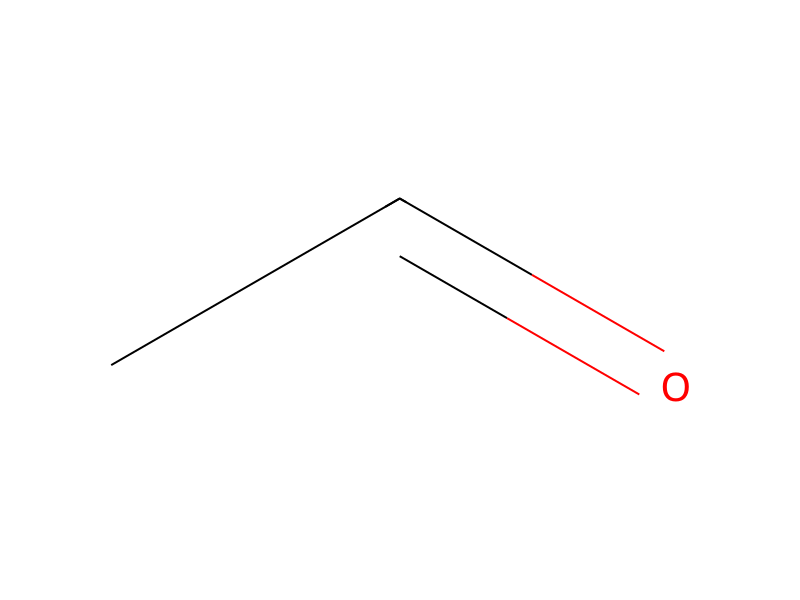
Acetaldehyde → 2-(3,4-Difluorophenyl)-3-methyl-3-hydroxypropionic acid
Reaction equation

[F:1][C:2]1[CH:3]=[C:4]([C@H:9]2[C@H:13]([CH3:14])[O:12]C(=O)N2)[CH:5]=[CH:6][C:7]=1[F:8].FC1C=C(C[C:25]([OH:27])=[O:26])C=CC=1F.[Li+].CC([N-]C(C)C)C.C(=O)C>>[F:1][C:2]1[CH:3]=[C:4]([CH:9]([CH:13]([CH3:14])[OH:12])[C:25]([OH:27])=[O:26])[CH:5]=[CH:6][C:7]=1[F:8]Participants
5


Procedure
4(S)-(3,4-difluorophenyl)-5(S)-methyloxazolidin-2-one precursor to Compound A can be prepared by treating 3,4-difluorophenylacetic acid with LDA, followed by reaction with acetaldehyde to form 2-(3,4-difluorophenyl)-3-methyl-3-hydroxypropionic acid, and then cyclizing the hydroxypropionic acid with diphenyldiphosphorylazide to form the oxazolidinone. The oxazolidinone can then be activated by treatment with p-nitrophenylchloroformate. The oxazolidinones can be resolved into their optical isomers via chromatography prior to activation, or the unresolved material can be activated directly. The activated oxazolidinone is then acylated to give Compound A by treatment with 3-[4-(4-fluorophenyl)piperidin-1-yl]propylamine.