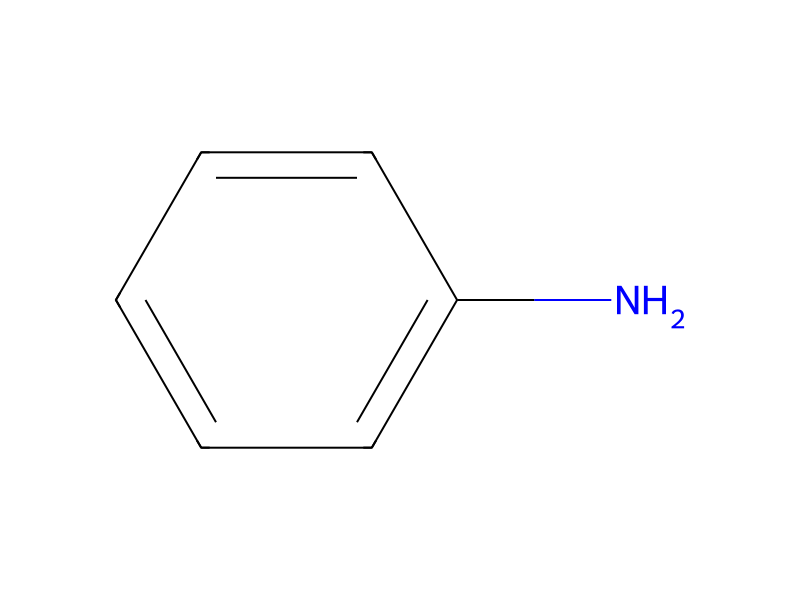
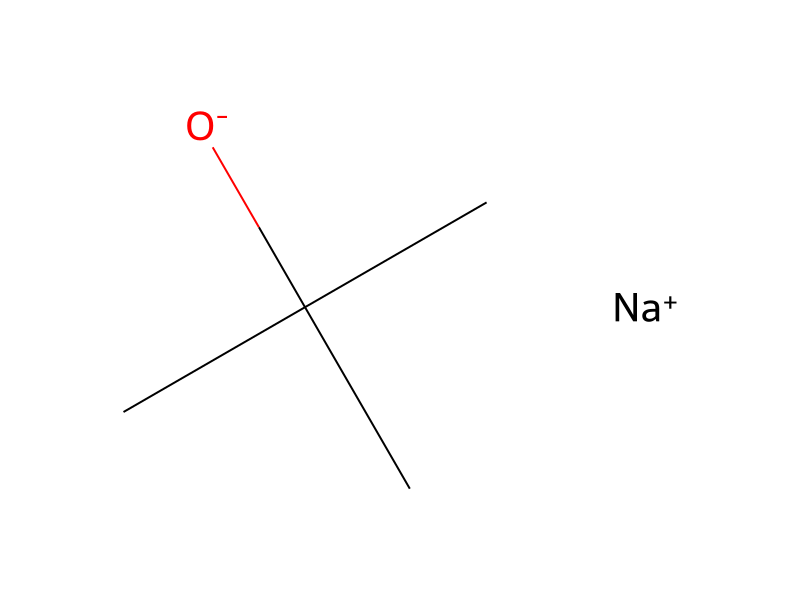
Aniline → 9,9-Dimethyl-N-phenyl-9H-fluoren-2-amine
HRID 2275914
Reaction equation

Br[C:2]1[C:14]2[C:13]([CH3:16])([CH3:15])[C:12]3[C:7](=[CH:8][CH:9]=[CH:10][CH:11]=3)[C:6]=2[CH:5]=[CH:4][CH:3]=1.[NH2:17][C:18]1[CH:23]=[CH:22][CH:21]=[CH:20][CH:19]=1.CC(C)([O-])C.[Na+]>C1(C)C=CC=CC=1.C1C=CC(P(C2C=CC=CC=2)[C-]2C=CC=C2)=CC=1.C1C=CC(P(C2C=CC=CC=2)[C-]2C=CC=C2)=CC=1.[Fe+2].C([O-])(=O)C.[Pd+2].C([O-])(=O)C>[CH3:15][C:13]1([CH3:16])[C:12]2[CH:11]=[C:10]([NH:17][C:18]3[CH:23]=[CH:22][CH:21]=[CH:20][CH:19]=3)[CH:9]=[CH:8][C:7]=2[C:6]2[C:14]1=[CH:2][CH:3]=[CH:4][CH:5]=2Participants
7