Reaction equation
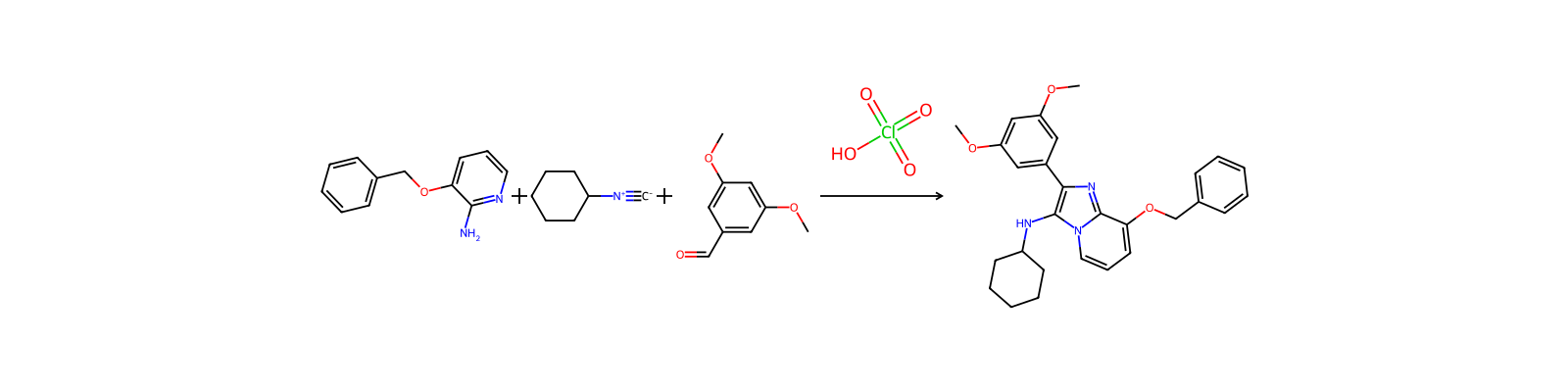
[NH2:1][C:2]1[C:7]([O:8][CH2:9][C:10]2[CH:15]=[CH:14][CH:13]=[CH:12][CH:11]=2)=[CH:6][CH:5]=[CH:4][N:3]=1.[CH:16]1([N+:22]#[C-:23])[CH2:21][CH2:20][CH2:19][CH2:18][CH2:17]1.[CH3:24][O:25][C:26]1[CH:27]=[C:28]([CH:31]=[C:32]([O:34][CH3:35])[CH:33]=1)[CH:29]=O>Cl(O)(=O)(=O)=O>[CH2:9]([O:8][C:7]1[C:2]2[N:3]([C:23]([NH:22][CH:16]3[CH2:21][CH2:20][CH2:19][CH2:18][CH2:17]3)=[C:29]([C:28]3[CH:31]=[C:32]([O:34][CH3:35])[CH:33]=[C:26]([O:25][CH3:24])[CH:27]=3)[N:1]=2)[CH:4]=[CH:5][CH:6]=1)[C:10]1[CH:11]=[CH:12][CH:13]=[CH:14][CH:15]=1Participants
5
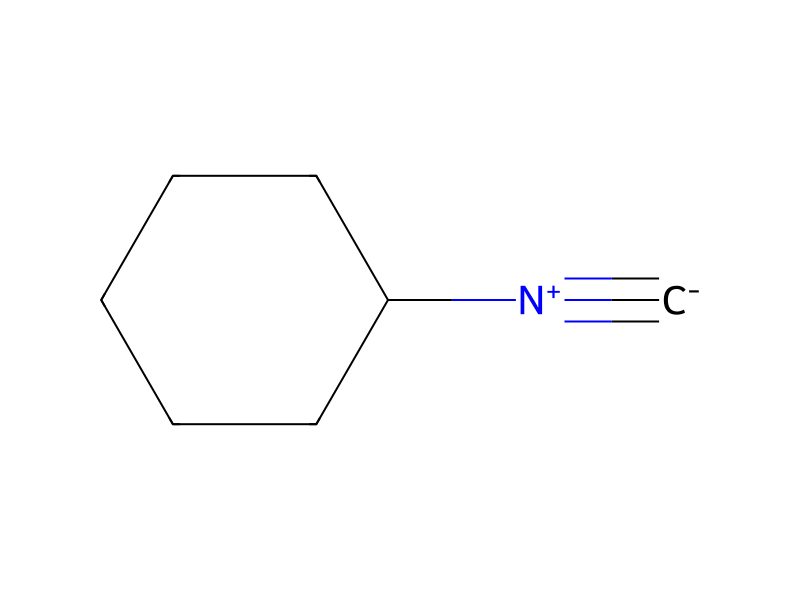
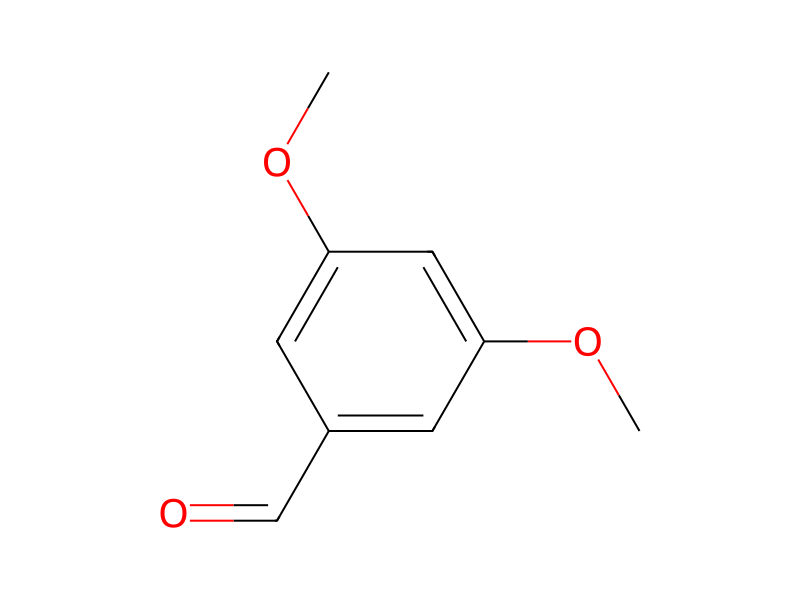

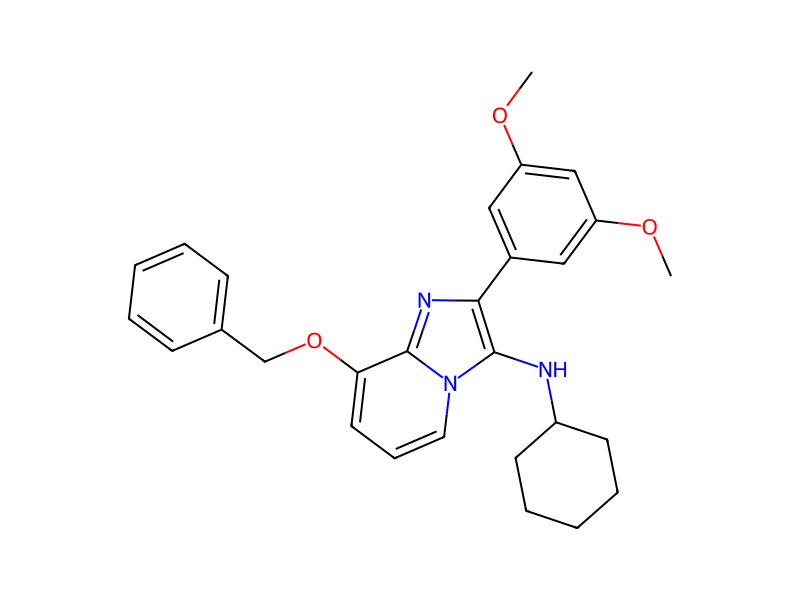
Procedure
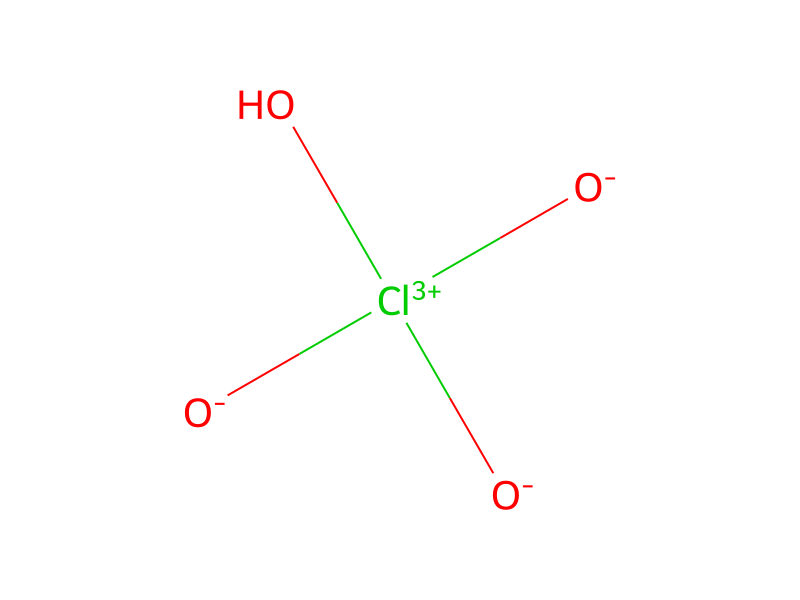
Compound (10) was prepared according to the general synthesis instructions from 1.0 ml of 2-amino-3-benzyloxypyridine solution (0.1 M, DCM), 0.575 ml of cyclohexyl isocyanide solution (0.2 M, DCM), 0.500 ml of 3,5-dimethoxybenzaldehyde solution (0.3 M, DCM), and 10 μl of perchloric acid (w=20%).
Sources & evidence
- ORD record
- ord-989a97d5a8f2419da7256687cc0f15d0
- Source dataset
- uspto-grants-2005_02
- Patent number
- US06849642B2
Linked notes
Loading…