HomeMCPWorkbenchSkills
HomeWorkbenchNotificationsMe
llms.txt · MCP GuidePrivacy Policy · Terms of Service · Supportv1.8.3
  1. Home
  2. /Reaction

Styrene → Acrylonitrile

HRID 2285876
Print

Reaction equation

HRID 2285876 reaction equation
[Sb:1]=[O:2].O=[Si]=O.[O-2].[O-2].[O-2].[Sb+3].[Sb+3].[CH2:11]=[CH:12][C:13]1[CH:18]=[CH:17][CH:16]=[CH:15][CH:14]=1.[C:19](#[N:22])[CH:20]=[CH2:21]>>[Sb:1]=[O:2].[CH3:19][CH:11]=[CH:12][C:13]1[CH:18]=[CH:17][CH:16]=[CH:15][CH:14]=1.[C:19](#[N:22])[CH:20]=[CH2:21]
ParticipantsProcedureWorkupSources & evidenceReaction notes

Participants

8

Reactant 5

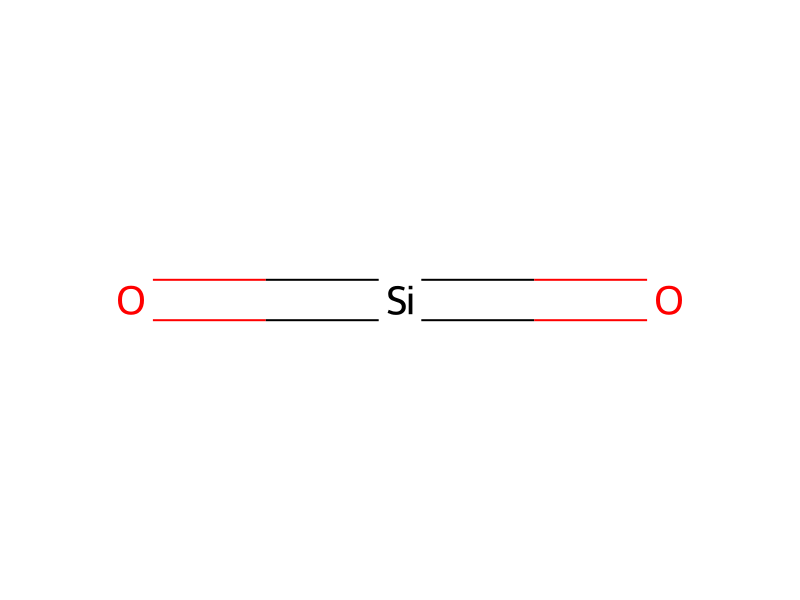
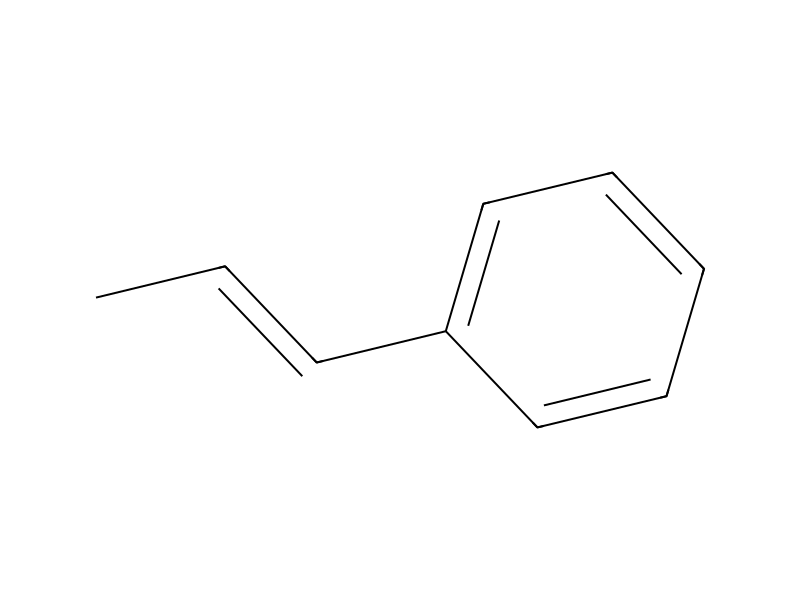
HCID 7501StyreneHCID 7855AcrylonitrileHCID 14794Antimony TrioxideHCID 24261SilicaHCID 6327673Stibanal2×

Product 3

HCID 7855AcrylonitrileHCID 12500beta-Methylstyrene
HCID 6327673Stibanal

Procedure

An aqueous colloidal dispersion of antimony oxide sold by Nyacol, Inc., Ashland, Mass. under the trade name Nyacol A-1530, containing 30 weight percent antimony oxide was added to an aqueous anionic latex containing 40 weight percent of polybutadiene grafted with 20 parts of an interpolymer containing 70 percent styrene and 30 percent acrylonitrile per 100 parts of polybutadiene and was stirred to provide a uniform blend. The procedure of Example 1 was then carried out to obtain a blend of rubber-occluded antimony oxide in an interpolymer of -methylstyrene and acrylonitrile. The ratio of styrenic interpolymer to (ungrafted) polybutadiene to colloidal antimony oxide was 22:8:1.

Workup

  1. additionwas added to an aqueous anionic
  2. customto provide a uniform blend

Sources & evidence

ORD record
ord-6d62ce8a152b4a7b9b343866dab562b3
Source dataset
uspto-grants-1982_04
DOI
10.6084/m9.figshare.5104873.v1
Patent number
US04325865

Reaction notes

On this pageParticipantsProcedureWorkupSources & evidenceReaction notes