Potassium Carbonate → 2-{2-[(Oxiran-2-yl)methoxy]phenyl}-1H-pyrrole
HRID 2286519
Reaction equation

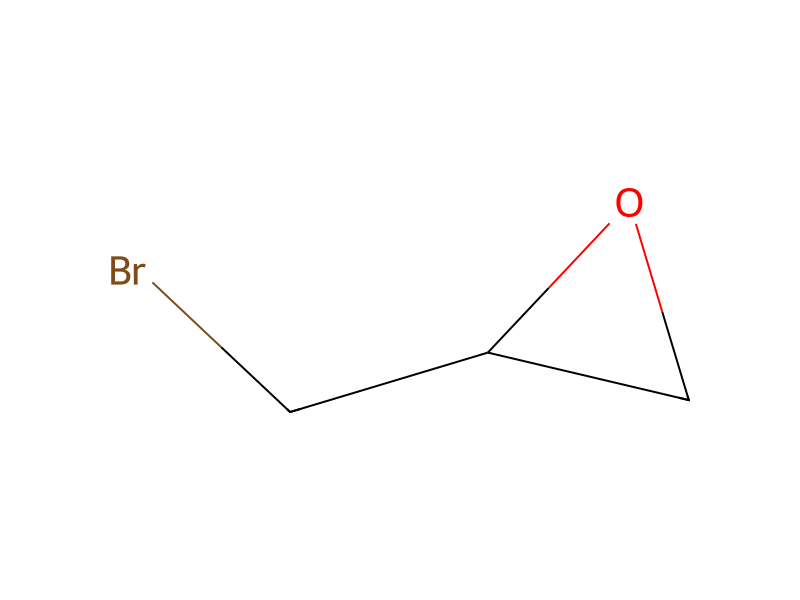
[OH:1][C:2]1[CH:7]=[CH:6][CH:5]=[CH:4][C:3]=1[C:8]1[NH:9][CH:10]=[CH:11][CH:12]=1.[CH2:13]([CH:15]1[O:17][CH2:16]1)Br.C(=O)([O-])[O-].[K+].[K+]>CC(C)=O>[O:17]1[CH2:16][CH:15]1[CH2:13][O:1][C:2]1[CH:7]=[CH:6][CH:5]=[CH:4][C:3]=1[C:8]1[NH:9][CH:10]=[CH:11][CH:12]=1Participants
5