Acetic Acid → N-(2-cyano-3-methylbutanoyl)urea
HRID 2289181
Reaction equation

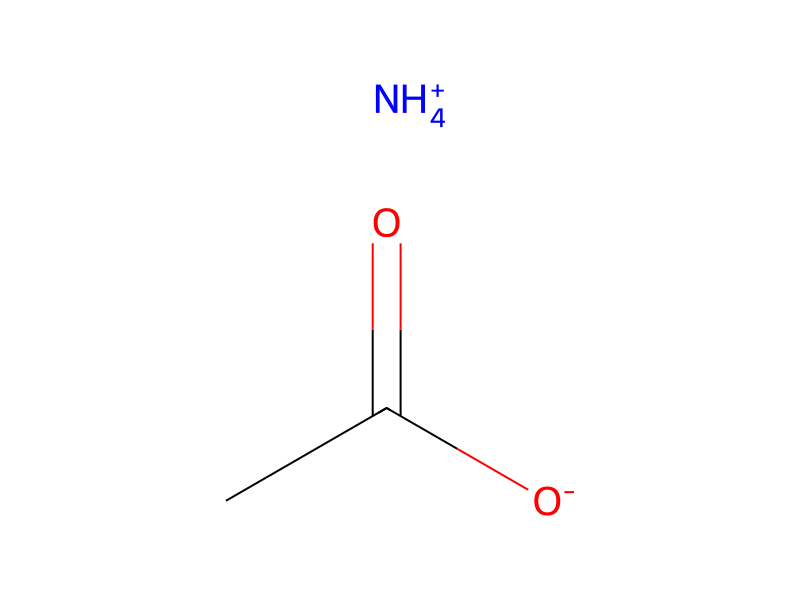
[C:1]([CH2:3][C:4]([NH:6][C:7]([NH2:9])=[O:8])=[O:5])#[N:2].[C:10](O)(=O)[CH3:11].[C:14]([O-])(=O)C.[NH4+]>CC(C)=O>[C:1]([CH:3]([CH:10]([CH3:11])[CH3:14])[C:4]([NH:6][C:7]([NH2:9])=[O:8])=[O:5])#[N:2]Participants
5
Reactant 3


Product 1

Reagents, catalysts & solvents 1

Procedure
When acetone is used as a reaction solvent, the production method is almost the same as the one mentioned above, wherein cyanoacetylurea is suspended or dissolved in acetone, and acetic acid and ammonium acetate are added to allow reaction under reducing conditions to give N-(2-cyano-3-methylbutanoyl)urea. Preferably, the reaction is carried out in the presence of a reduction catalyst. The termination of the reaction can be confirmed and the objective product can be isolated after the reaction, according to the above-mentioned methods.