HomeMCPSkillsWorkbenchOpenChem
HomeWorkbenchNotificationsMe
llms.txt · skill.md · MCP GuidePrivacy Policy · Terms of Service · Supportv1.8.5
  1. Home
  2. /Reaction

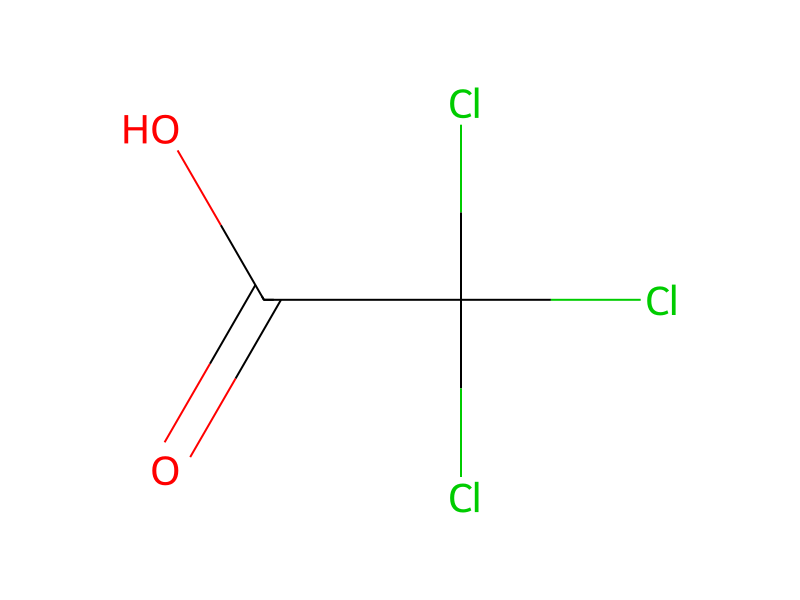
Trichloroacetic Acid → Urea, N-(2-(bis(2-chloroethyl)amino)tetrahydro-2H-1,3,2-oxazaphosphorin-4-yl)-N'-(2-bromophenyl)-N-hydroxy-, P-oxide

HRID 2290842
Print

Reaction equation

[CH2:1]1[CH:7](O)[NH:6][P:4]([N:9]([CH2:13][CH2:14][Cl:15])[CH2:10][CH2:11][Cl:12])(=[O:5])[O:3][CH2:2]1.[Br:16][C:17]1[CH:22]=[CH:21][CH:20]=[CH:19][C:18]=1[NH:23][C:24](=[O:27])[NH:25][OH:26].ClC(Cl)(Cl)C(O)=O>CC(C)=O>[Br:16][C:17]1[CH:22]=[CH:21][CH:20]=[CH:19][C:18]=1[NH:23][C:24](=[O:27])[N:25]([OH:26])[CH:7]1[CH2:1][CH2:2][O:3][P:4]([N:9]([CH2:13][CH2:14][Cl:15])[CH2:10][CH2:11][Cl:12])(=[O:5])[NH:6]1
ParticipantsProcedureWorkupSources & evidenceReaction notes

Participants

5

Reactant 3

HCID 6421Trichloroacetic AcidHCID 997354-HydroxycyclophosphamideHCID 53692199HCID 53692199, compound

Product 1

HCID 13770902Urea, N-(2-(bis(2-chloroethyl)amino)tetrahydro-2H-1,3,2-oxazaphosphorin-4-yl)-N'-(2-bromophenyl)-N-hydroxy-, P-oxide

Reagents, catalysts & solvents 1

HCID 180AcetoneSolvent

Procedure

560 mg (2 mmol) of 4-hydroxycyclophosphamide in 10 ml of acetone were treated with 460 mg of 3-o-bromophenyl-1-hydroxyurea and a catalytic amount of trichloroacetic acid and let to stand at -25° C. After 2 days, the crystals were drawn off by suction and recrystallized from acetone.

Workup

  1. customto stand at -25° C
  2. customrecrystallized from acetone

Sources & evidence

ORD record
ord-322d5294f3384fc2b187c9c338787c3f
Source dataset
uspto-grants-1986_10
DOI
10.6084/m9.figshare.5104873.v1
Patent number
US04618692

Reaction notes

On this pageParticipantsProcedureWorkupSources & evidenceReaction notes