HomeMCPWorkbenchSkills
HomeWorkbenchNotificationsMe
llms.txt · MCP GuidePrivacy Policy · Terms of Service · Supportv1.8.3
  1. Home
  2. /Reaction

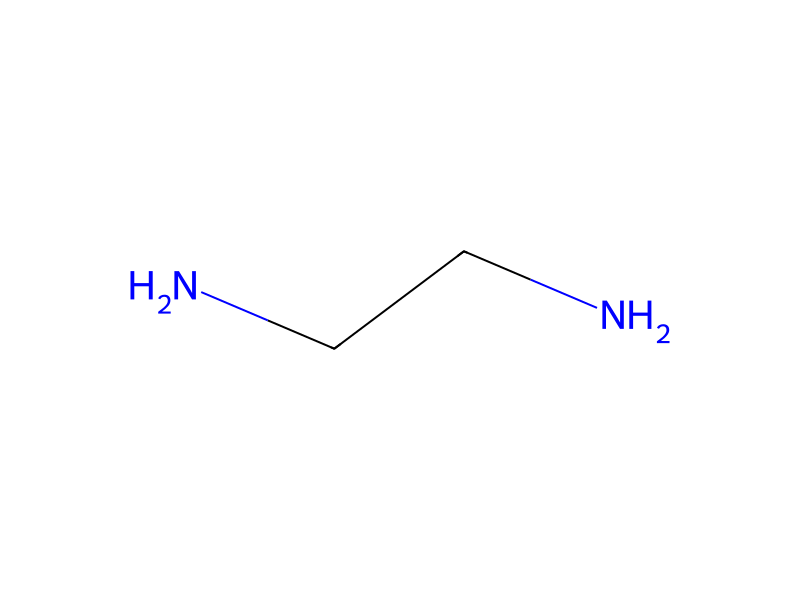
Ethylenediamine → HCID 15711988, compound

HRID 2292043
Print

Reaction equation

HRID 2292043 reaction equation
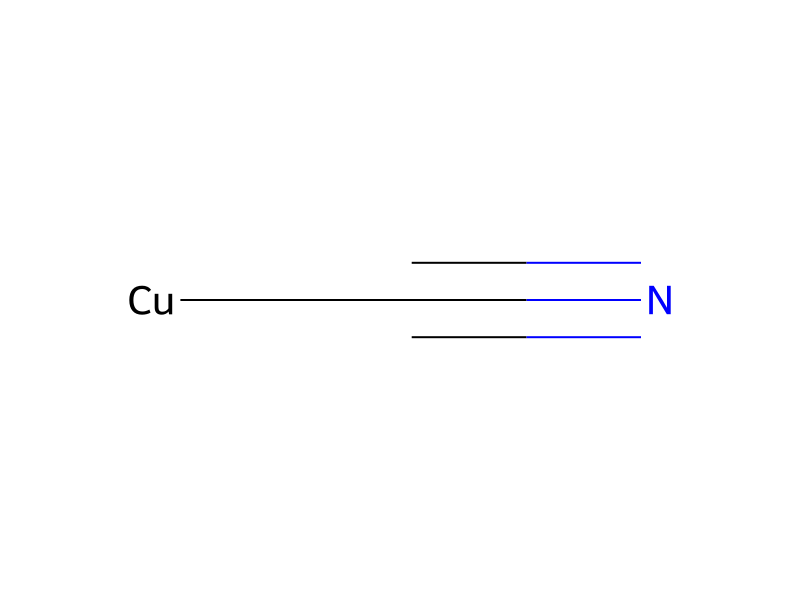
Br[C:2]1[CH:11]=[C:10]2[C:5]([CH2:6][C:7]([CH3:13])([CH3:12])[CH:8]=[CH:9]2)=[CH:4][CH:3]=1.[Cu][C:15]#[N:16].C(N)CN>CN1CCCC1=O>[C:15]([C:2]1[CH:11]=[C:10]2[C:5]([CH2:6][C:7]([CH3:13])([CH3:12])[CH:8]=[CH:9]2)=[CH:4][CH:3]=1)#[N:16]
ParticipantsProcedureWorkupSources & evidenceReaction notes

Participants

5

Reactant 3

HCID 3301EthylenediamineHCID 157119876-Bromo-2,2-dimethyl-1,2-dihydronaphthaleneHCID 178418546HCID 178418546, compound

Product 1

HCID 15711988HCID 15711988, compoundYield 96%

Reagents, catalysts & solvents 1

HCID 13387N-methyl-2-pyrrolidoneSolvent

Procedure

A solution of 7-bromo-3,3-dimethyl-3,4-dihydronaphthalene (6.2 g) and copper (1) cyanide (3.5 g) in N-methylpyrrolidone (60 ml) was heated under reflux for 2 hours. After cooling, the mixture was poured into 10% aqueous ethylenediamine (200 ml) and extracted into ethyl acetate. The combined extracts were washed with water, and dried over magnesium sulphate. Solvent and drying agent were removed and the residue chromatographed on silica gel using ether-pentane (1:10) as eluant gave the dihydronaphthalene as a white crystalline solid (4.6 g), having mp 50°-52° C.;

Workup

  1. temperatureunder reflux for 2 hours
  2. temperatureAfter cooling
  3. extractionextracted into ethyl acetate
  4. washThe combined extracts were washed with water
  5. dry with materialdried over magnesium sulphate
  6. customSolvent and drying agent
  7. customwere removed
  8. customthe residue chromatographed on silica gel

Sources & evidence

ORD record
ord-109bbc46cf8d4aee86be0cef0026681e
Source dataset
uspto-grants-1989_01
DOI
10.6084/m9.figshare.5104873.v1
Patent number
US04800212

Reaction notes

On this pageParticipantsProcedureWorkupSources & evidenceReaction notes