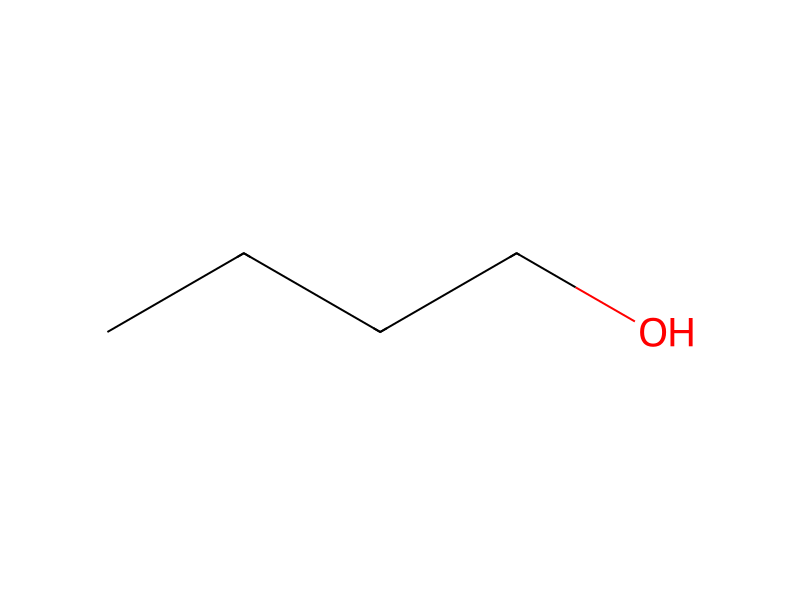
[C:1]([C:4]1[C:5](=[O:11])NC(=O)N[CH:9]=1)(=O)[CH3:2].Cl.Cl.[N:14]1[C:23]2[C:18](=[C:19]([NH:24][NH2:25])[CH:20]=[CH:21][CH:22]=2)[CH:17]=[CH:16][CH:15]=1.Cl.[OH:27]S(O)(=O)=O.[CH2:32](O)[CH2:33][CH2:34][CH3:35]>>[CH3:2][C:1]1[C:4]([C:5]([O:11][CH2:32][CH2:33][CH2:34][CH3:35])=[O:27])=[CH:9][N:24]([C:19]2[CH:20]=[CH:21][CH:22]=[C:23]3[C:18]=2[CH:17]=[CH:16][CH:15]=[N:14]3)[N:25]=1A mixture of 5-acetyluracil (0.231 g, 1.5 mmol), 5-quinolinylhydrazine dihydrochloride (0.418 g, 1.8 mmol) and HCl (conc., 0.75 mL, 9 mmol) in n-butanol (15 mL) was heated at reflux for 20 h, cooled to 23° C., and concentrated in vacuo. The residue was dissolved in n-butanol (10 mL). The resulting solution was treated with H2SO4 (conc., 0.96 mL, 18 mmol), heated at reflux for 20 h, cooled to 23° C. and concentrated in vacuo. The residue was partitioned between EtOAc and NaOH (1 M). The aqueous layer was extracted three times with EtOAc. The combined organic extracts were dried over Na2SO4 and concentrated in vacuo. The brown solid residue was purified by flash chromatography (Flash 40S, hexanes-acetone 8:2) to afford 0.279 g (60%) of the desired product as a white solid.