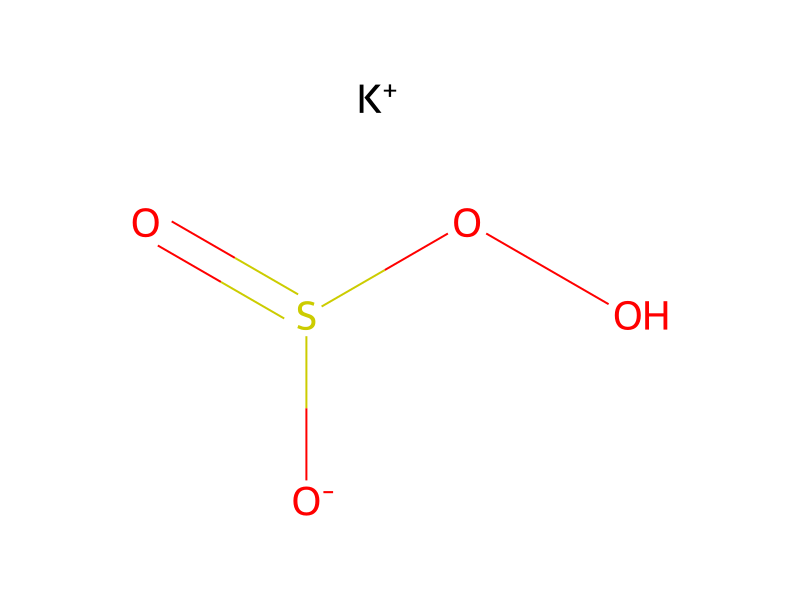
A solution of ethyl N-(3,4-dichlorobenzyl)-3-benzylthioindole-2-carboxylate (0.50 g) in dichloromethane (2 ml) was added to a slurry of wet alumina (1 g) and Oxone® (0.615 g) in dichloromethane (10 ml). The mixture was then heated at reflux for two hours, and allowed to cool. The product was washed away from the alumina using methylene chloride (200 ml). The solution was then dried (MgSO4) and evaporated to afford the crude sulphoxide ester (103 mg). The crude ester was dissolved in THF (2 ml) and methanol (1 ml), and sodium hydroxide (2M, 3 ml) was added. The solution was stirred for five hours, then concentrated in vacuo. The residue was dissolved in water (10 ml) and the product precipitated by dropwise addition of aqueous HCl (2M, 10 ml). The resulting solid was collected by filtration and washed with cold water, then dried in vacuo to afford the product as a pale yellow solid (36 mg, 7%. 2 steps), NMR d (CD3SOCD3) 4.37 (d, 2H), 5.83 (d, 2H), 6.96 (dd, 1H), 7.10 (m, 3H), 7.20 (m, 3H), 7.30 (t, 1H), 7.38 (d, 1H), 7.59 (s, 1H), 7.62 (s, 1H), 8.05 (d, 1H); M/z (−) 456 (M−H+), 412, 365, 323, 321, 320.